


23/10/2025
Author:
Views: 979
What Are the Benefits of Eating Buffalo Meat? 7 Amazing Advantages You Should Know
Discover the value of buffalo meat, a source of high-quality protein, rich in B vitamins, minerals, low in fat, good for the heart
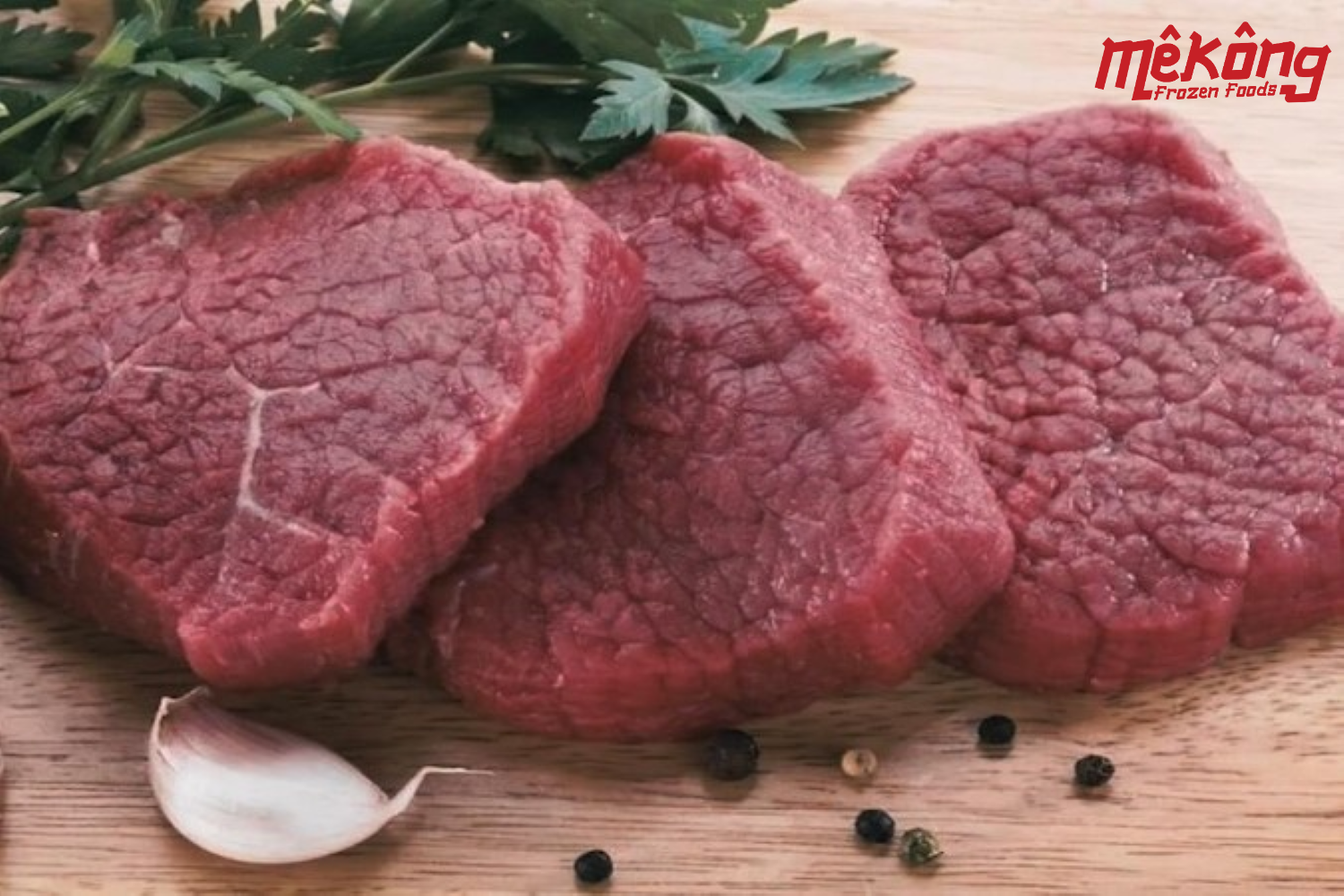
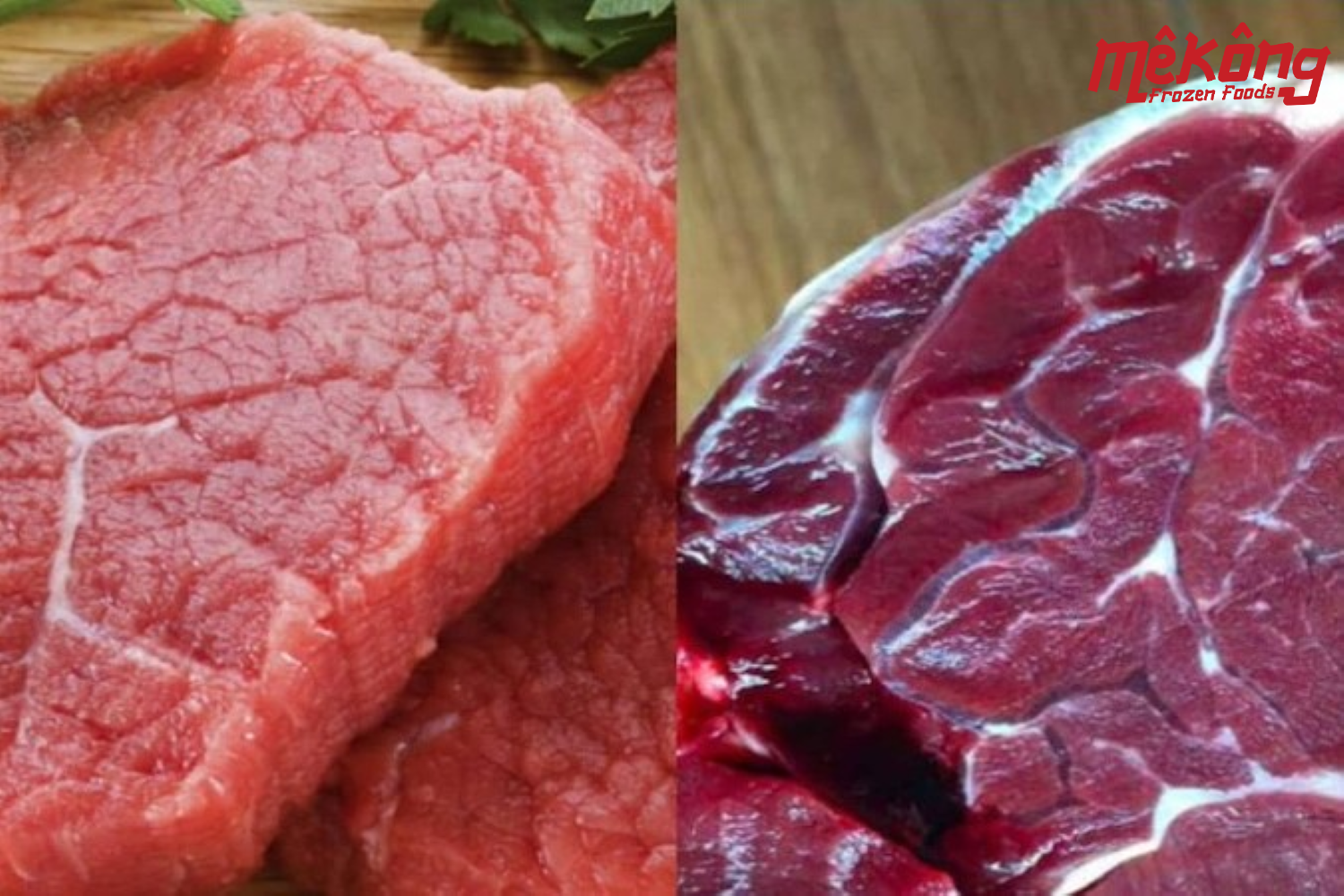
Buffalo meat is a type of food often confused with or underestimated compared to beef. However, if you are a food lover concerned about your health, it is time to change your perspective on this meat. More than just an ingredient for traditional dishes, buffalo meat is a "precious remedy" highly valued by nutrition experts thanks to its impressive nutritional content.
So, what are the benefits of eating buffalo meat? This article will not only reveal 7 amazing benefits of buffalo meat but also equip you with the knowledge to confidently choose and prepare it, making it a favorite dish for the whole family.
Superior Health Benefits of Buffalo Meat
High-Quality Protein Source
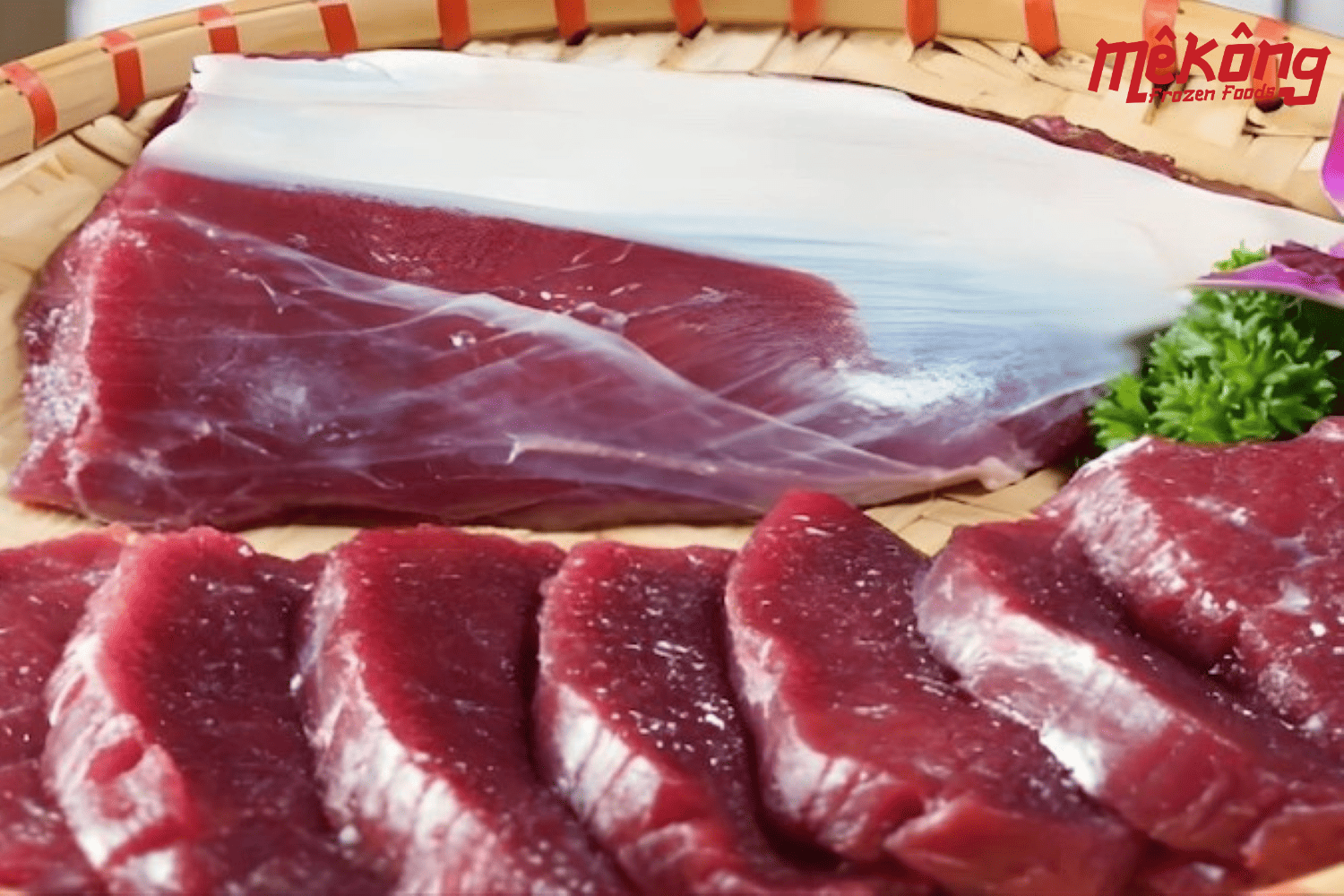
Buffalo meat provides about 21 - 22g of protein per 100g of lean meat, with a high biological absorption rate. Protein is an essential component for building and repairing muscles, producing hormones, and transporting nutrients in the body. Compared to beef, buffalo meat has a higher protein content and less fat, making it an ideal choice for athletes or those wishing to maintain a healthy physique.
Rich in B Vitamins
Buffalo meat is a rich source of B vitamins, especially Vitamin B12, B6, and Niacin (B3). A 113g serving of raw buffalo meat can provide approximately 68%, 19%, and 28% of the daily requirement for these vitamins. These vitamins play a crucial role in energy production, nerve function, and blood formation.
Provides Essential Minerals
Buffalo meat is an abundant source of important minerals such as iron, zinc, magnesium, and selenium. The iron in buffalo meat exists as heme iron, which is easily absorbed and supports blood production. Zinc helps strengthen the immune system and aids in wound healing. Magnesium participates in hundreds of biochemical reactions in the body, while selenium is a powerful antioxidant, protecting cells from damage.
Low in Fat and Cholesterol
Buffalo meat contains about 2.42g of fat and 61mg of cholesterol per 100g of lean meat, which is much lower than beef. This helps reduce the risk of cardiovascular diseases and supports healthy weight maintenance. Additionally, buffalo meat contains many unsaturated fatty acids, which are beneficial for heart health.
Low Calorie Content
With about 105 kcal per 100g of lean meat, buffalo meat is an ideal choice for those who want to control their calorie intake. Replacing beef or pork with buffalo meat can help reduce overall calorie consumption while still ensuring adequate nutrient supply.
Supports Musculoskeletal Health
Buffalo meat is rich in phosphorus and calcium, two crucial minerals for building and maintaining strong bones. Adding buffalo meat to the diet can help prevent osteoporosis and support muscle function.
Suitable for Dieting
With its low carbohydrate content and gluten-free nature, buffalo meat is suitable for many diets such as low-carb, keto, and paleo. Combining buffalo meat with green vegetables and whole grains creates a balanced, nutrient-rich meal that effectively supports weight loss.
How to Use Buffalo Meat to Maximize Benefits
Appropriate Portion Size
To maximize the nutritional value of buffalo meat, adults should consume about 100 - 150g of lean meat per meal. This amount is sufficient to provide the necessary protein and minerals without excessive intake of calories or fat. For children, the amount should be adjusted according to energy needs and age, typically about 50 - 75g per meal.
Continuously eating too much red meat can put stress on the digestive system and increase the risk of certain diseases, so it should be balanced with other food sources.
How to Combine Buffalo Meat with Other Foods
Buffalo meat should be eaten with green vegetables, tubers, and whole grains to provide sufficient fiber, vitamins, and minerals. This helps balance nutrition, supports digestion, and minimizes the risk of absorbing too much saturated fat. Furthermore, combining buffalo meat with foods rich in Vitamin C such as oranges, bell peppers, or tomatoes will help increase iron absorption from the meat, optimizing benefits for the body.
Notes for People with Health Conditions
Individuals with kidney disease, gout, or cardiovascular issues should exercise caution when eating buffalo meat. The purine content in red meat can increase uric acid in gout patients, while those with kidney problems should limit excessive protein.
Additionally, those needing to control cholesterol or blood pressure should prioritize lean cuts, avoid fatty parts, and prepare the meat by steaming, boiling, or grilling instead of deep-frying.
Tips for Preparing and Tenderizing Buffalo Meat
Preparing the Meat
- Wash: Rinse the meat under cold running water to remove dirt and clotted blood. Avoid soaking the meat for too long as it will lead to nutrient loss.
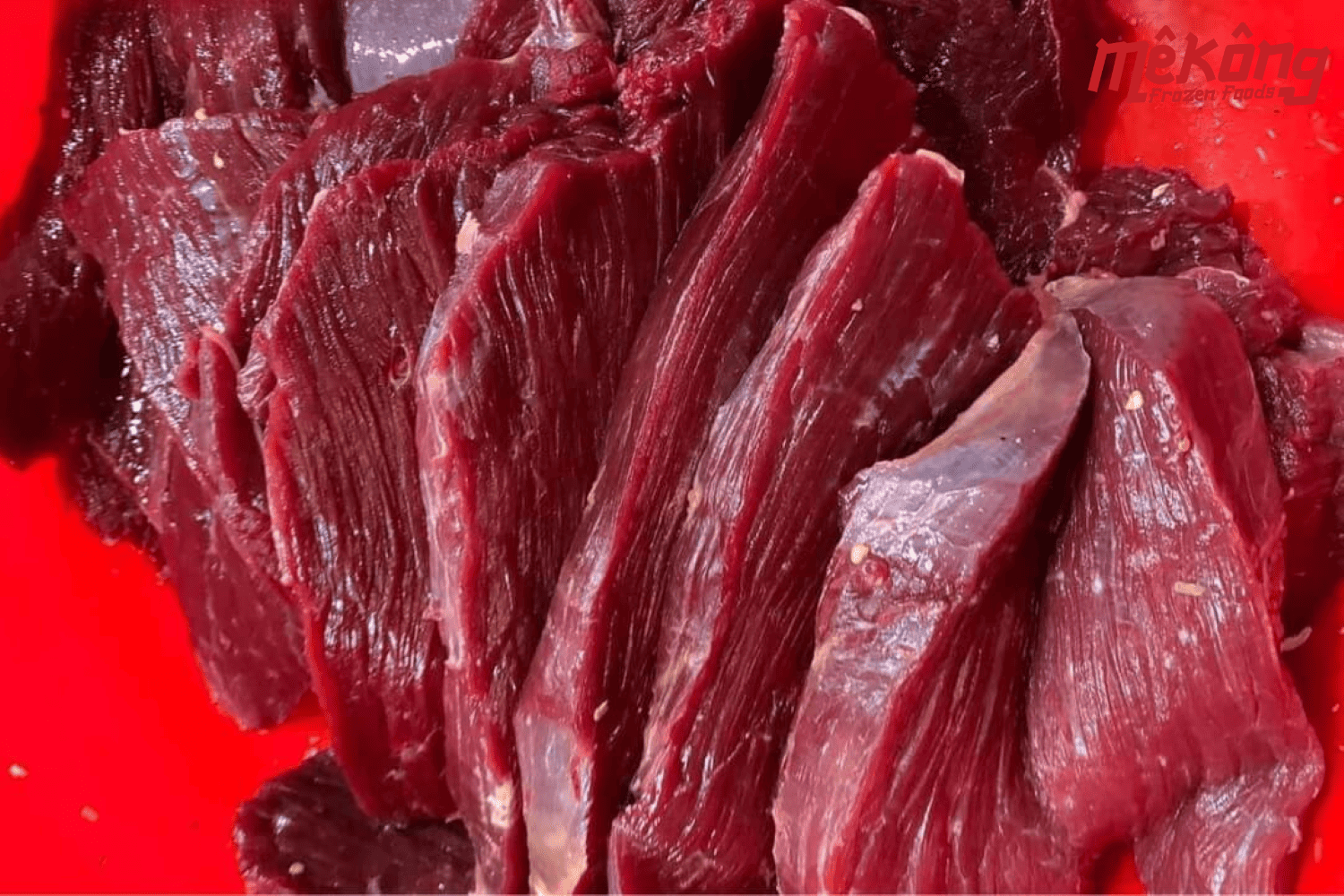
- Slice Against the Grain: For stir-fries or grilling, the meat should be cut against the grain into bite-sized pieces, which helps the cooked meat become softer and easier to chew.
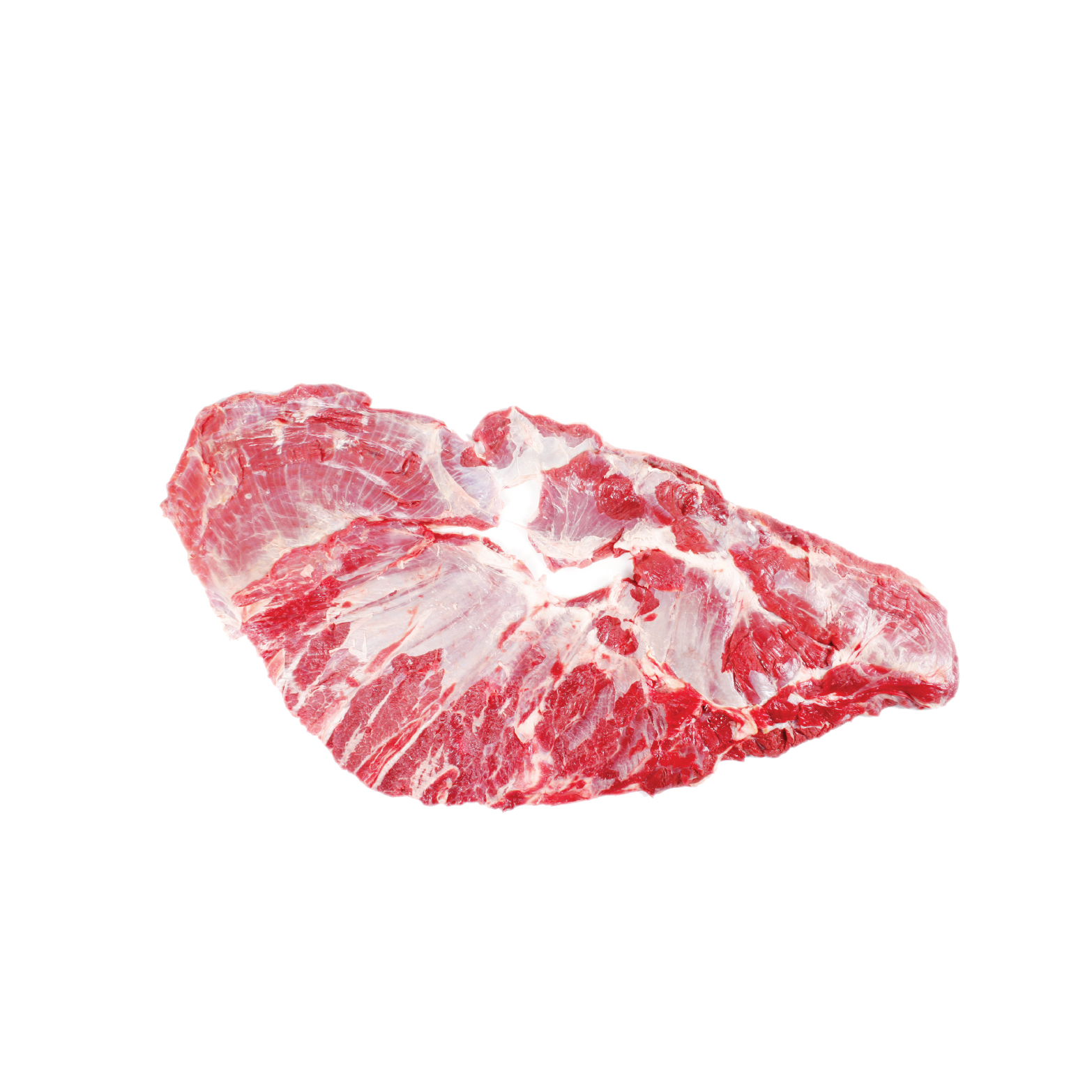
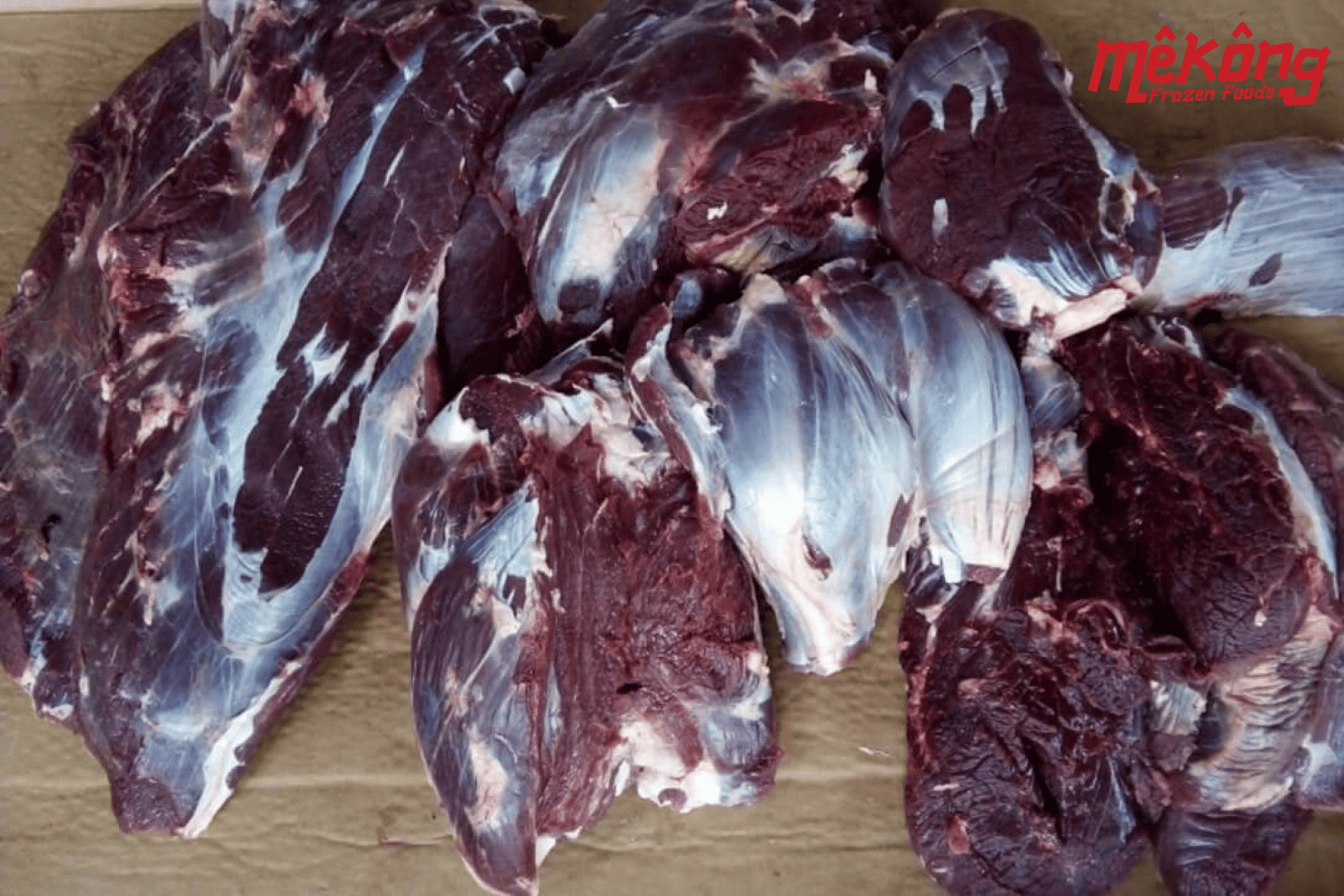
- Remove Excess Fat/Sinew: Trim off sinew and excess fat if unnecessary, as these parts can make the meat tough and difficult to prepare.
Tenderizing Buffalo Meat
Using Natural Methods:
- Marinade with Tenderizers: Marinating the meat with white wine, vinegar, lemon juice, or yogurt for about 30 - 60 minutes before cooking helps break down protein structures, making the meat softer.
- Use Cornstarch or Tapioca Starch: Mix the meat with a little cornstarch or tapioca starch for 15 - 20 minutes, then rinse; this helps the meat's surface become smooth and retains moisture during stir-frying.
- Marinate with Aromatics: Using garlic, ginger, shallots, fish sauce, or cooking oil when marinating not only enhances flavor but also contributes to tenderizing the muscle fibers through natural enzyme action.
Cooking Techniques for Tenderness:
- Braise or Stew: For tougher cuts like shin or shank, stew or braise in water or broth for about 1 - 2 hours, until the meat is tender and the fibers separate. Adding carrots, radish, and onions will give the dish a natural sweetness and better aroma.
- Quick Stir-fry on High Heat: For tenderloin or shoulder, stir-fry quickly on high heat, just until done, stirring constantly to prevent the meat from becoming dry and tough. Adding a little sauce or oil will help retain the meat's natural tenderness and sweetness.
- Cover When Cooking: When stewing or braising, covering the pot helps retain steam and moisture in the meat, preventing it from drying out.
Frequently Asked Questions (FAQ)
Does eating buffalo meat cause weight gain?
Buffalo meat is a low-fat red meat, especially the lean cuts. 100g of lean buffalo meat contains only about 1 - 2g of fat and approximately 105 kcal. Therefore, eating buffalo meat does not cause weight gain if consumed in moderation and combined with a balanced diet. Buffalo meat even helps build muscle and reduce fat, making it suitable for people who want to maintain their physique or bodybuild.
Is buffalo meat good for pregnant women?
Buffalo meat is rich in protein, heme iron, Vitamin B12, zinc, and phosphorus, all of which are important nutrients for pregnant women. However, pregnant women should only eat thoroughly cooked buffalo meat and limit rare or charred dishes to ensure food hygiene and safety.
Should the elderly and children eat buffalo meat?
Buffalo meat is a valuable source of nutrition for both the elderly and children. For the elderly, it provides protein to maintain muscle mass and iron to combat anemia, while its low-fat content reduces the burden on the cardiovascular system. For children, the nutrients in buffalo meat support physical and cognitive development.
Is buffalo meat tougher than beef?
Yes. Buffalo meat is generally tougher than beef, especially the sinewy and shank parts, because the buffalo's muscles are leaner and more developed. However, if properly prepared, such as by marinating, tenderizing with natural enzymes, or stewing, buffalo meat is still tender and delicious, without being difficult to chew.
Are the benefits of frozen buffalo meat the same as fresh meat?
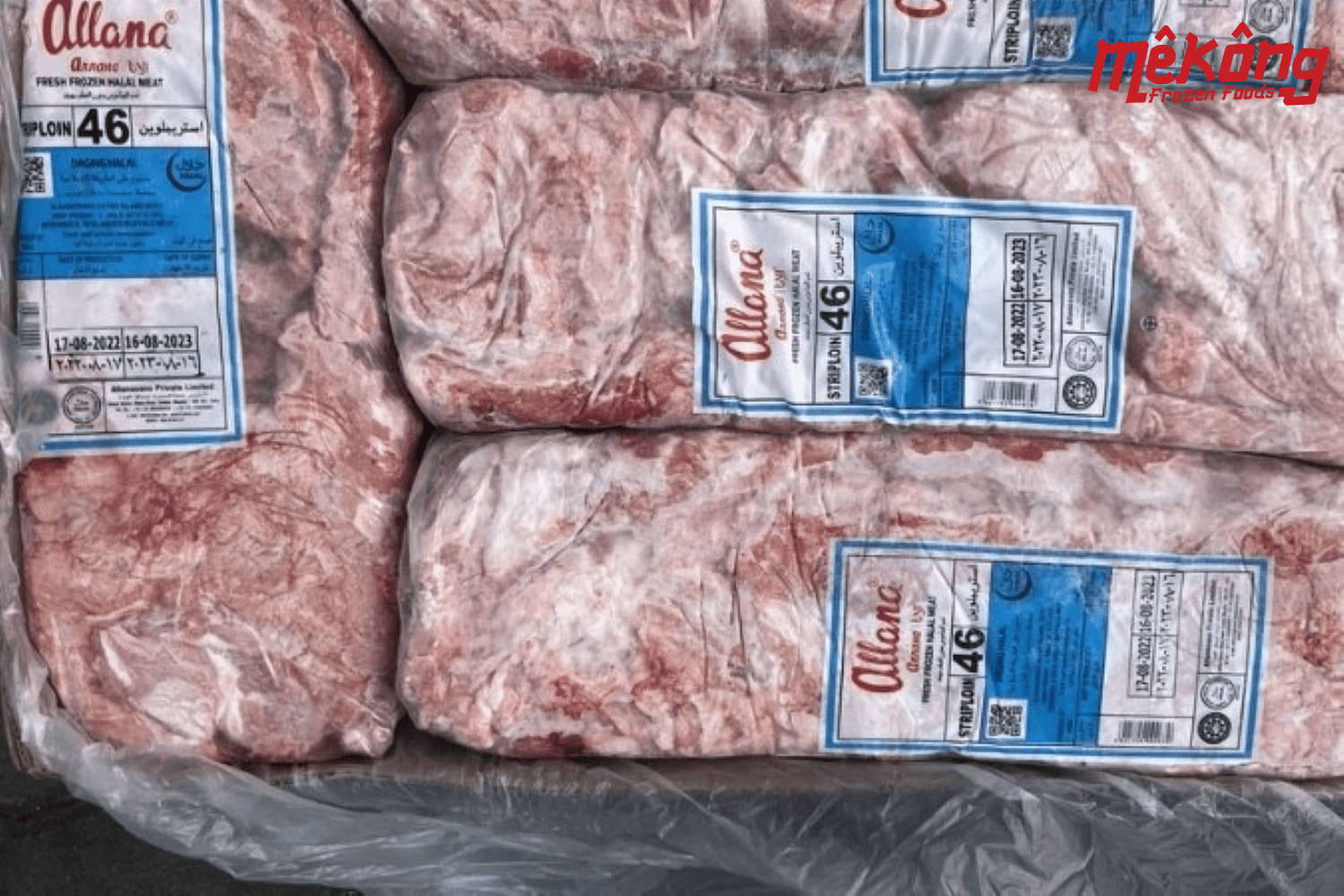
Frozen buffalo meat retains almost all of its nutritional value if stored correctly at −18oC or lower. Protein, minerals (iron, zinc), and Vitamin B12 remain stable. However, some temperature-sensitive and easily oxidized vitamins like Vitamin B6 may slightly decrease. To optimize benefits, thaw slowly in the refrigerator and cook immediately, avoiding prolonged thawing at room temperature.
Conclusion
In summary, eating buffalo meat correctly will not only satisfy your taste buds but also visibly improve your health. With benefits from protein, heme iron, Vitamin B12, zinc, phosphorus, and low calorie content, buffalo meat deserves to be the smart food choice in your daily meals.