


23/10/2025
Author:
Views: 1.187
Buffalo Meat vs. Beef: Which Should You Choose for Your Meal?
Explore the differences between buffalo and beef in terms of nutrition, price and taste, to choose the best one for your meal
When talking about nutritious red meats for a delicious meal, buffalo meat and beef are always considered "top contenders" for many Vietnamese families. Although they look quite similar on the surface, in reality, these two types of meat have significant differences in nutritional value, flavor, and health benefits.
Therefore, the question often asked is: should you choose buffalo meat or beef to create dishes that are both delicious and nutritious for the whole family? Let's explore the answers in the article below!
Overview of Buffalo Meat and Beef
Buffalo meat is a familiar and highly nutritious food, commonly used in the cuisine of many countries, especially in South Asia and Southeast Asia - where buffalo are widely raised. Compared to other red meats, buffalo meat has a high protein content, is low in fat, and is rich in iron and essential minerals, which helps strengthen health, supports muscle development, and prevents anemia.
Beef is a widely popular food worldwide, originating from domesticated cattle species in Asia and Europe thousands of years ago. It is a source of high-quality protein, rich in iron, zinc, Vitamin B12, and essential amino acids, playing a crucial role in maintaining muscle mass, red blood cell production, and supporting the immune system.
Why Compare and Distinguish Buffalo Meat and Beef?
Distinguishing and comparing buffalo meat with beef not only helps you avoid buying fake meat but also ensures you choose the meat best suited for your intended use. Understanding the differences also helps you make a smarter nutritional choice, especially if you are following a specific diet or have particular health goals.
Comparison of Buffalo Meat and Beef
Appearance and Sensory Perception
Color
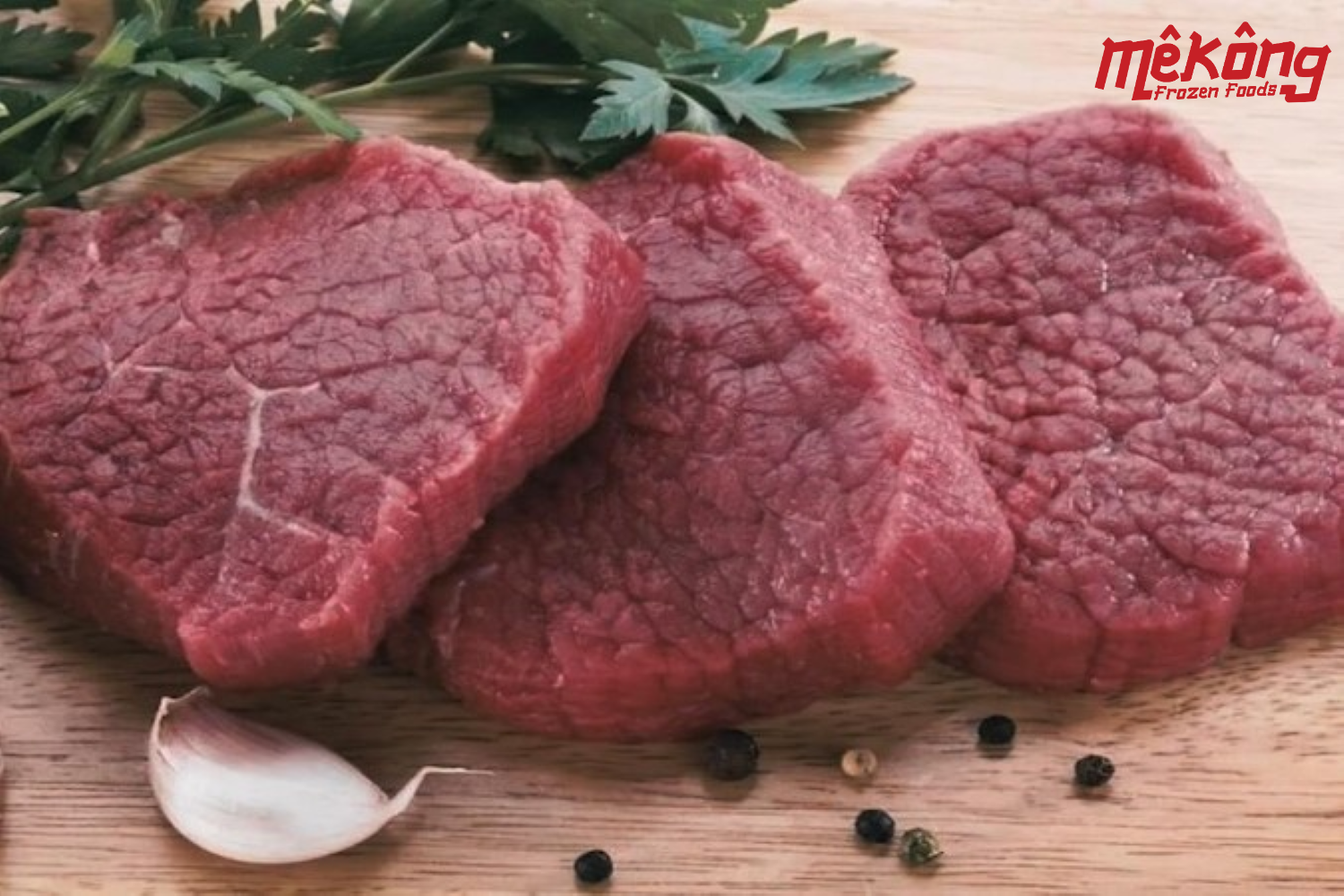
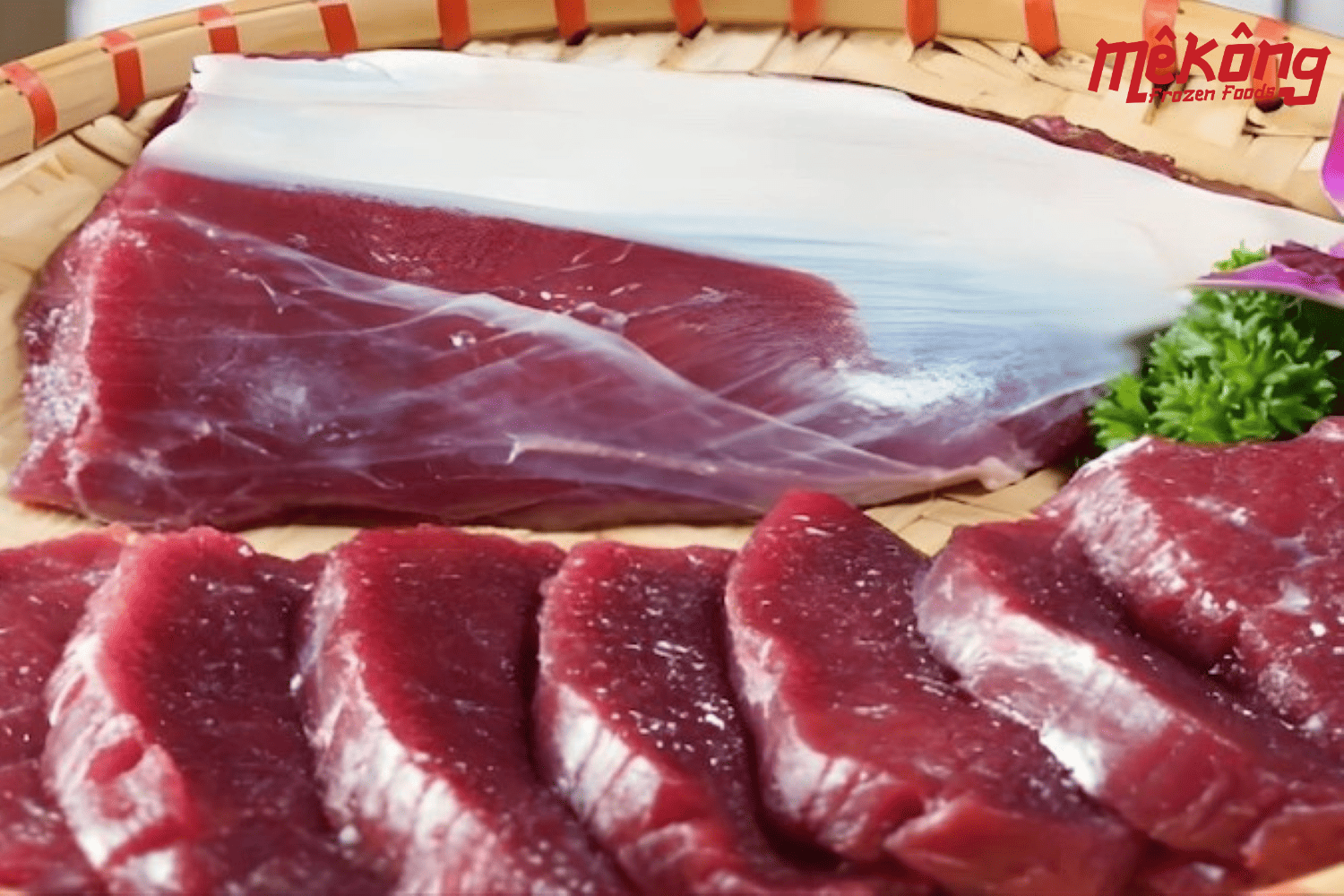
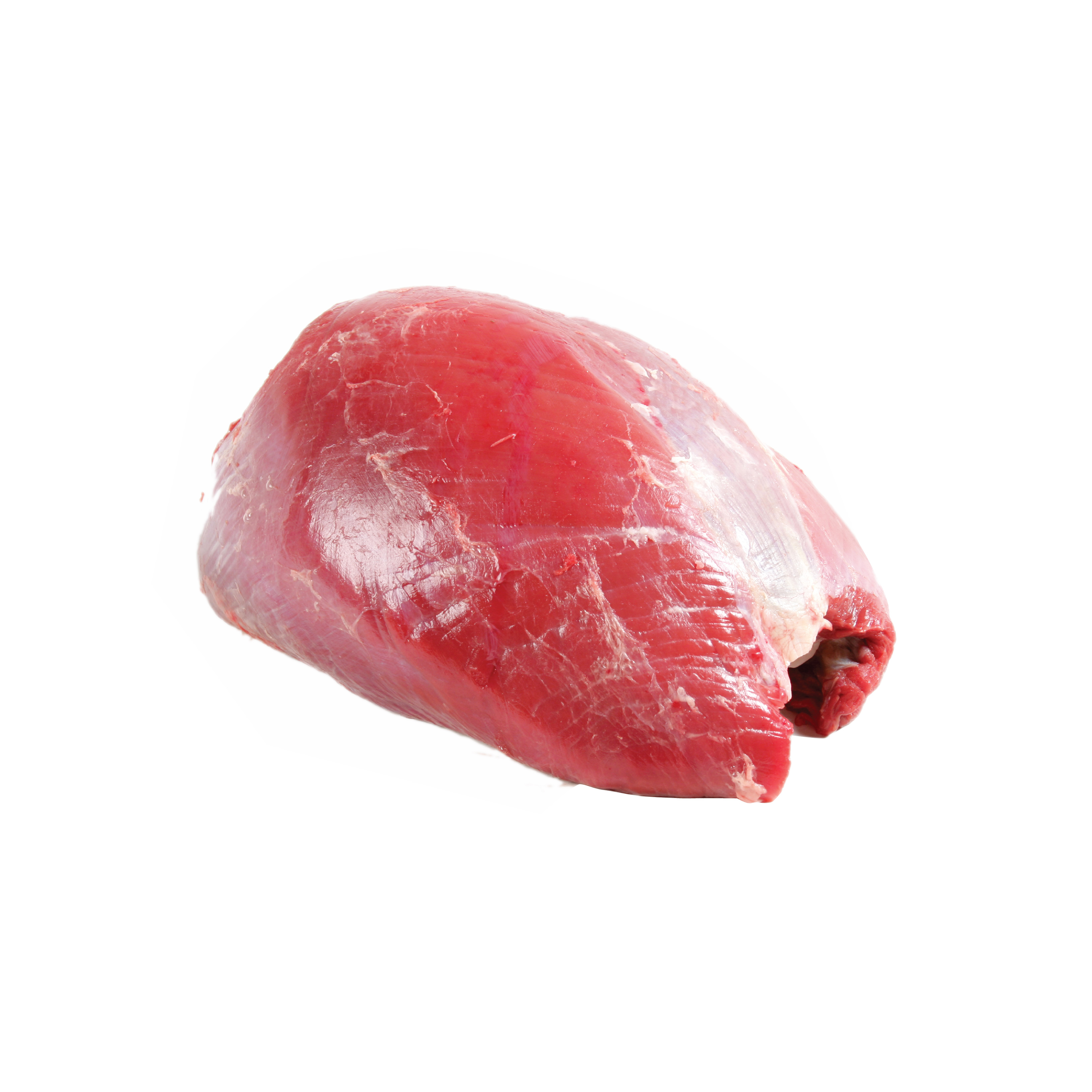
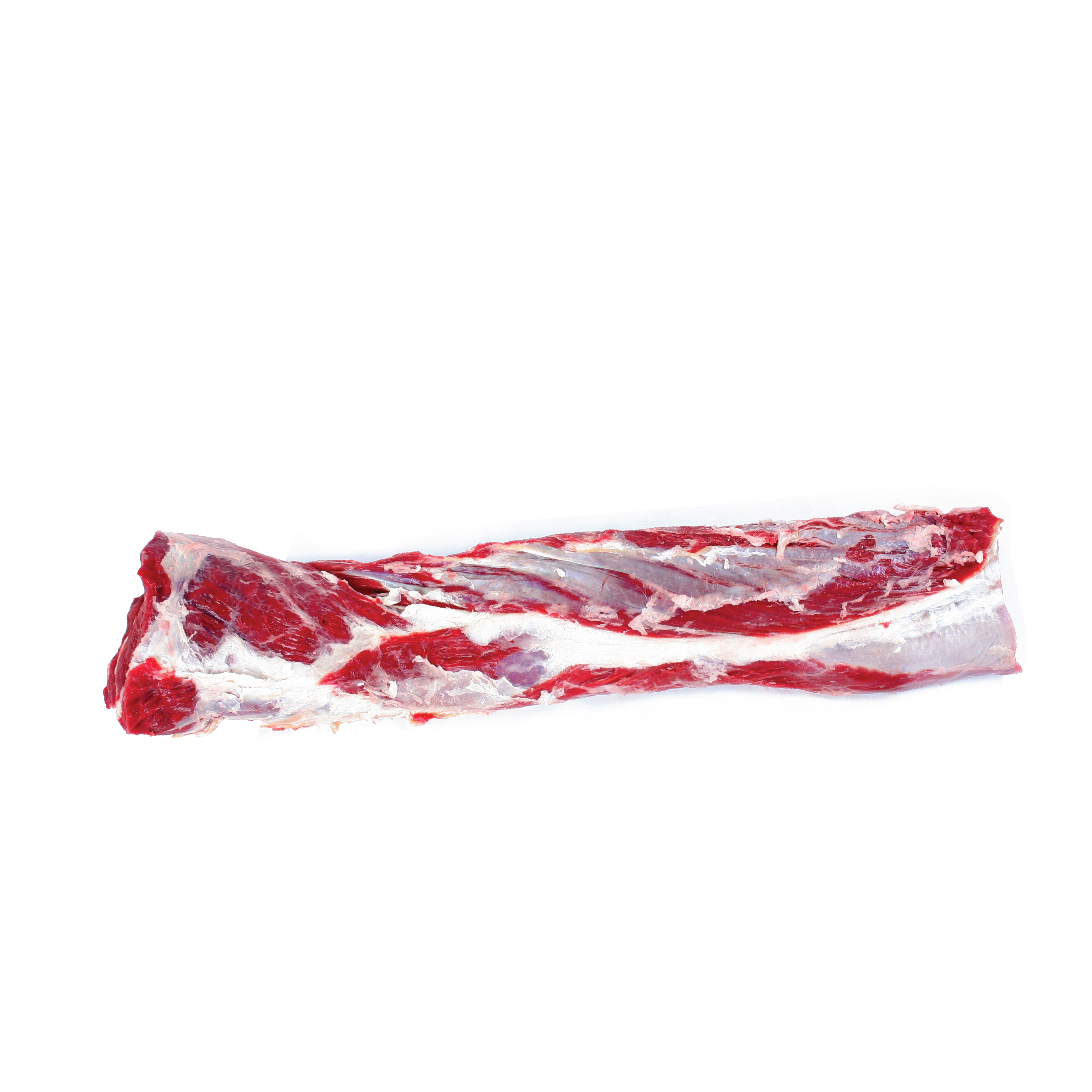
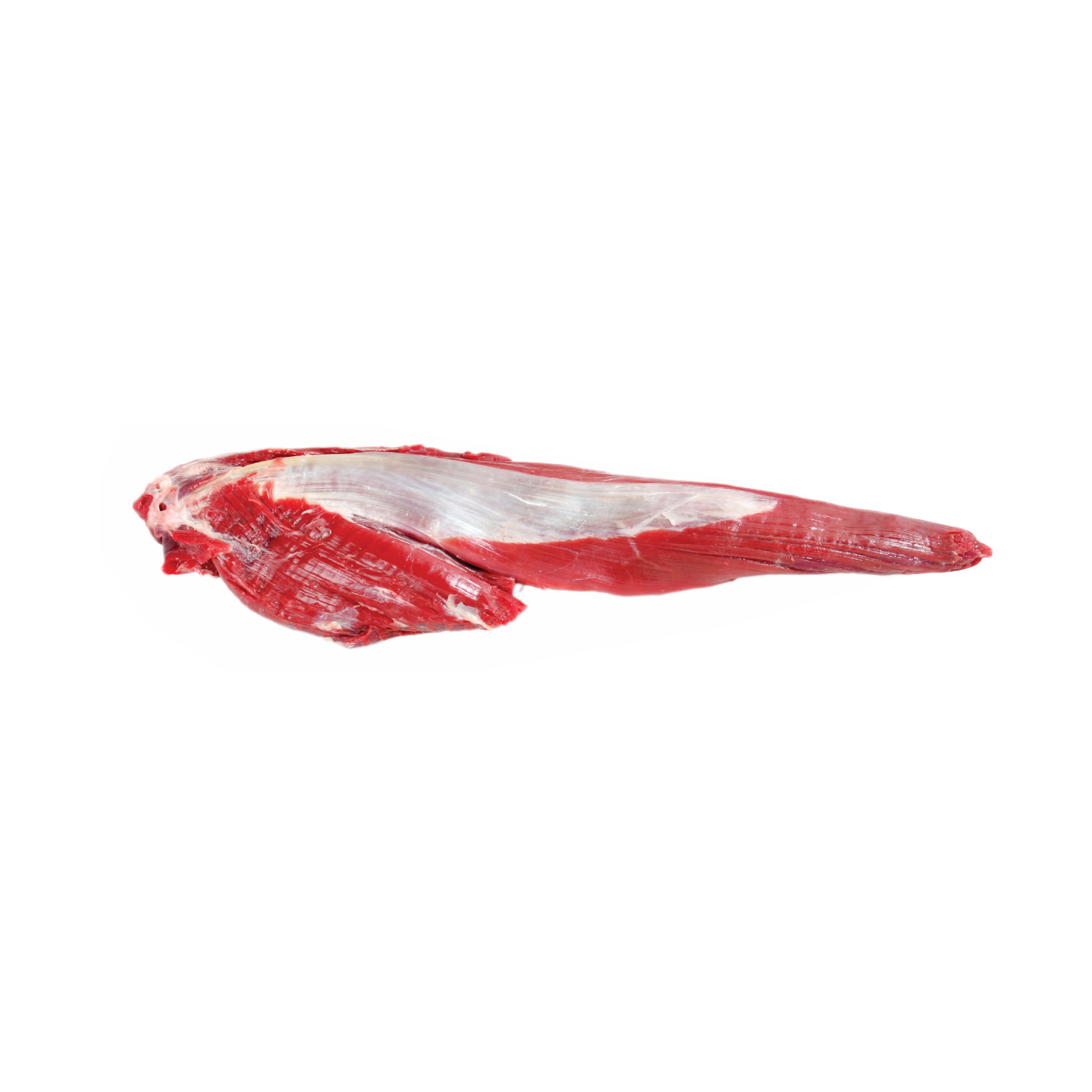
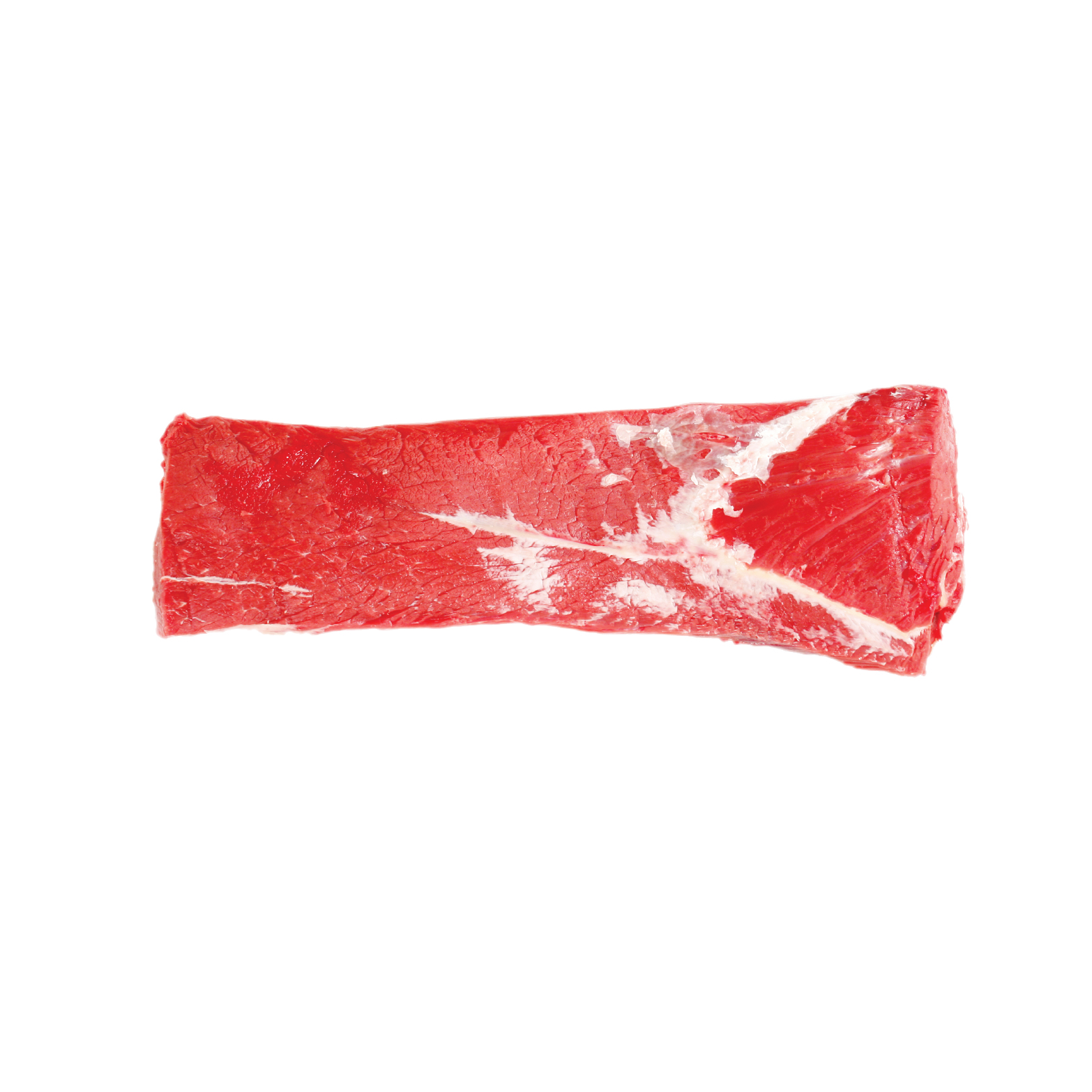
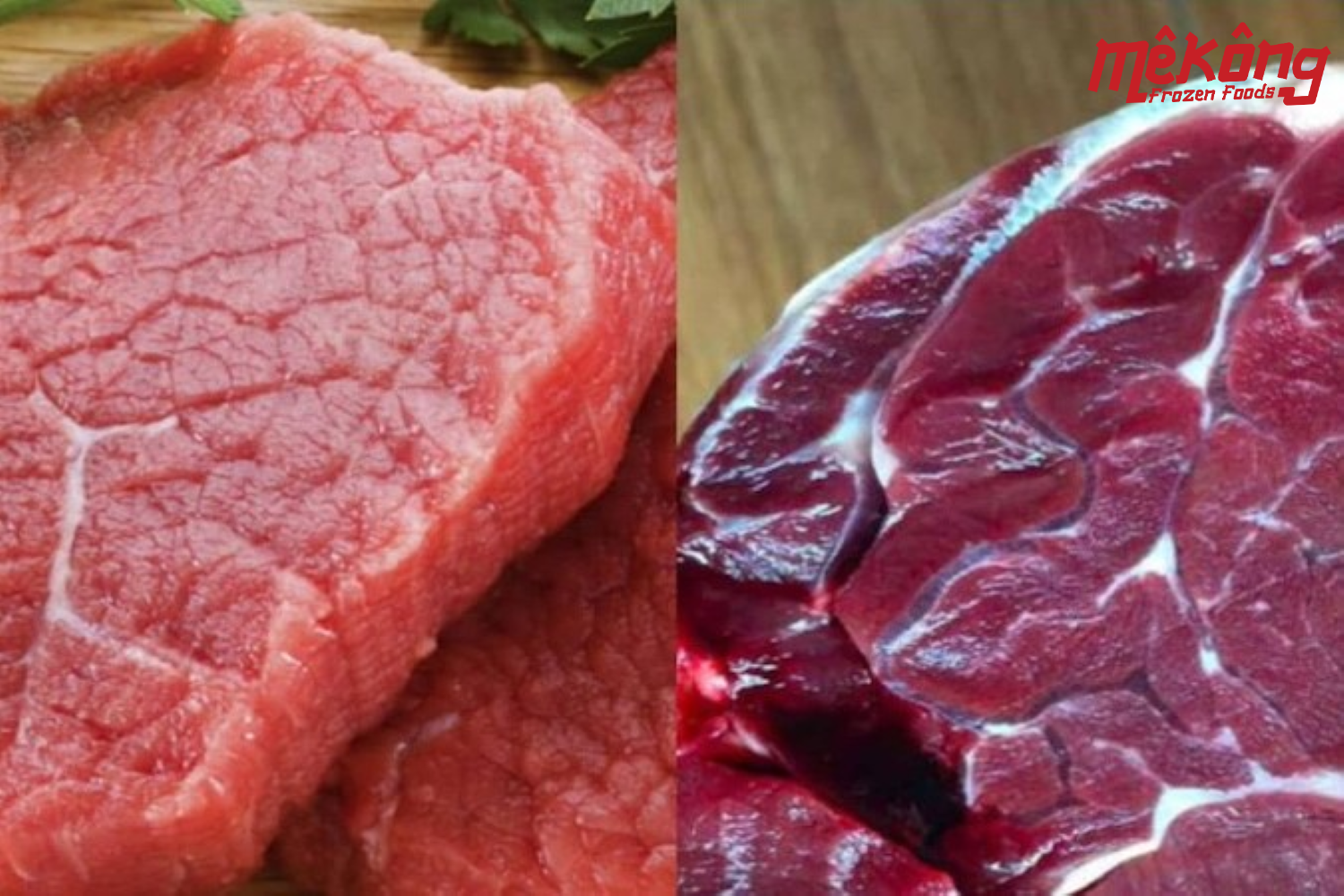
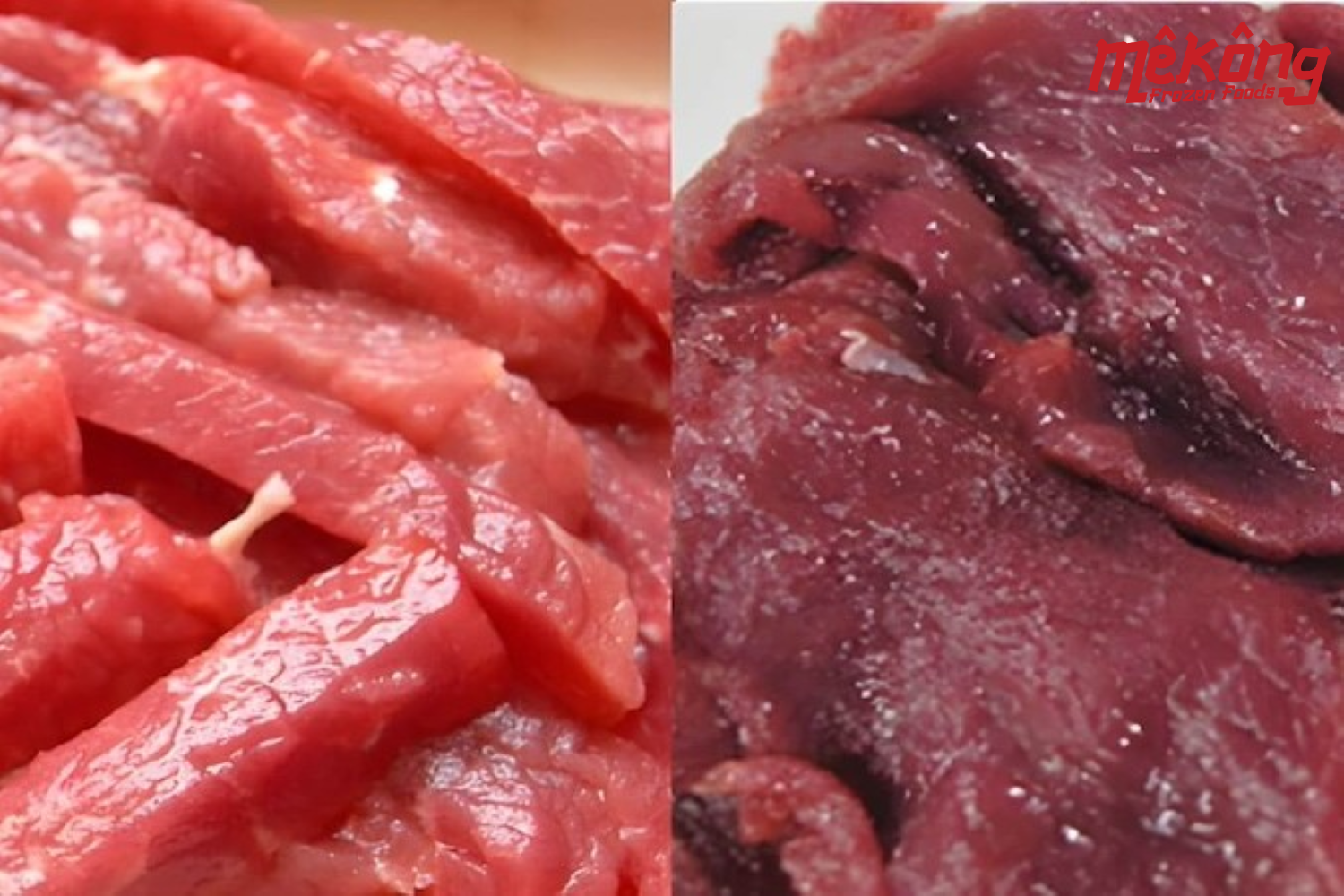
Fresh beef typically has a bright red, sometimes pinkish-red color, which looks very eye-catching and appealing. In contrast, buffalo meat has a darker red color, even slightly dull, and does not appear as vibrant as beef.
Muscle Fiber (Grain)
The muscle fibers (grain) of beef are very small and fine, interwoven with each other. This gives beef a higher degree of tenderness and elasticity. Conversely, the muscle fibers of buffalo meat are larger and longer, with individual strands clearly visible. This is why buffalo meat is tougher than beef, especially when cooked incorrectly.
Fat Layer
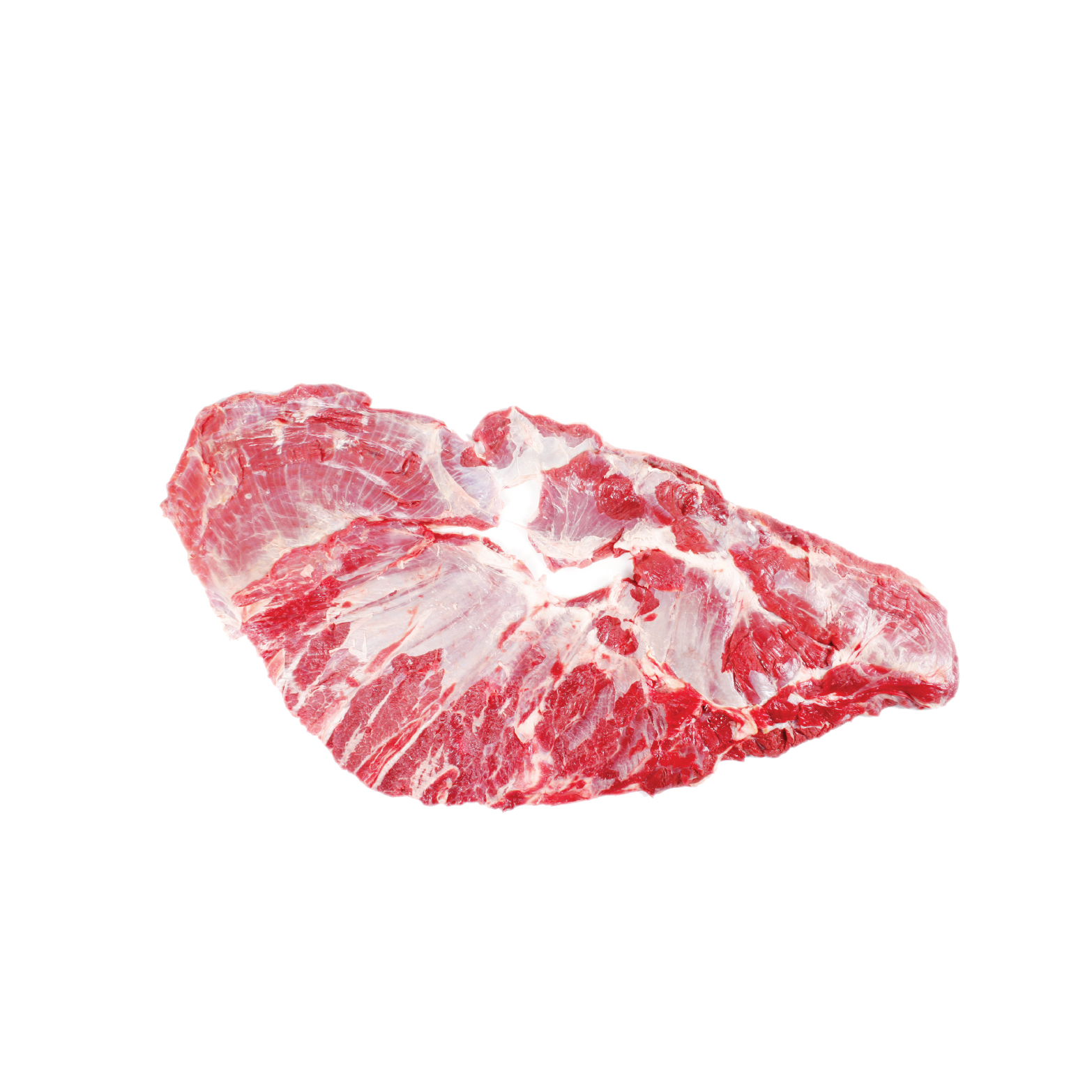
Beef usually has fat that is creamy white or light yellow, evenly distributed throughout the muscle fibers, which creates a characteristic rich flavor when eaten. In contrast, buffalo meat generally has very little fat, and the fat is pure white, primarily concentrated in certain areas rather than being evenly distributed like beef.
Stickiness
Beef has a high degree of stickiness and elasticity; when pressed, the muscle fibers lightly adhere to your hand. Meanwhile, buffalo meat has lower stickiness, and when pressed, the muscle fibers tend to be more loosely structured.
Structure
Beef has small, fine muscle fibers, interspersed with white fat marbling, making the meat softer, juicier, and rich in flavor. On the other hand, buffalo meat has larger and longer muscle fibers, with less fat and sinew, so it feels tougher and leaner when eaten.
Nutritional Value
Protein
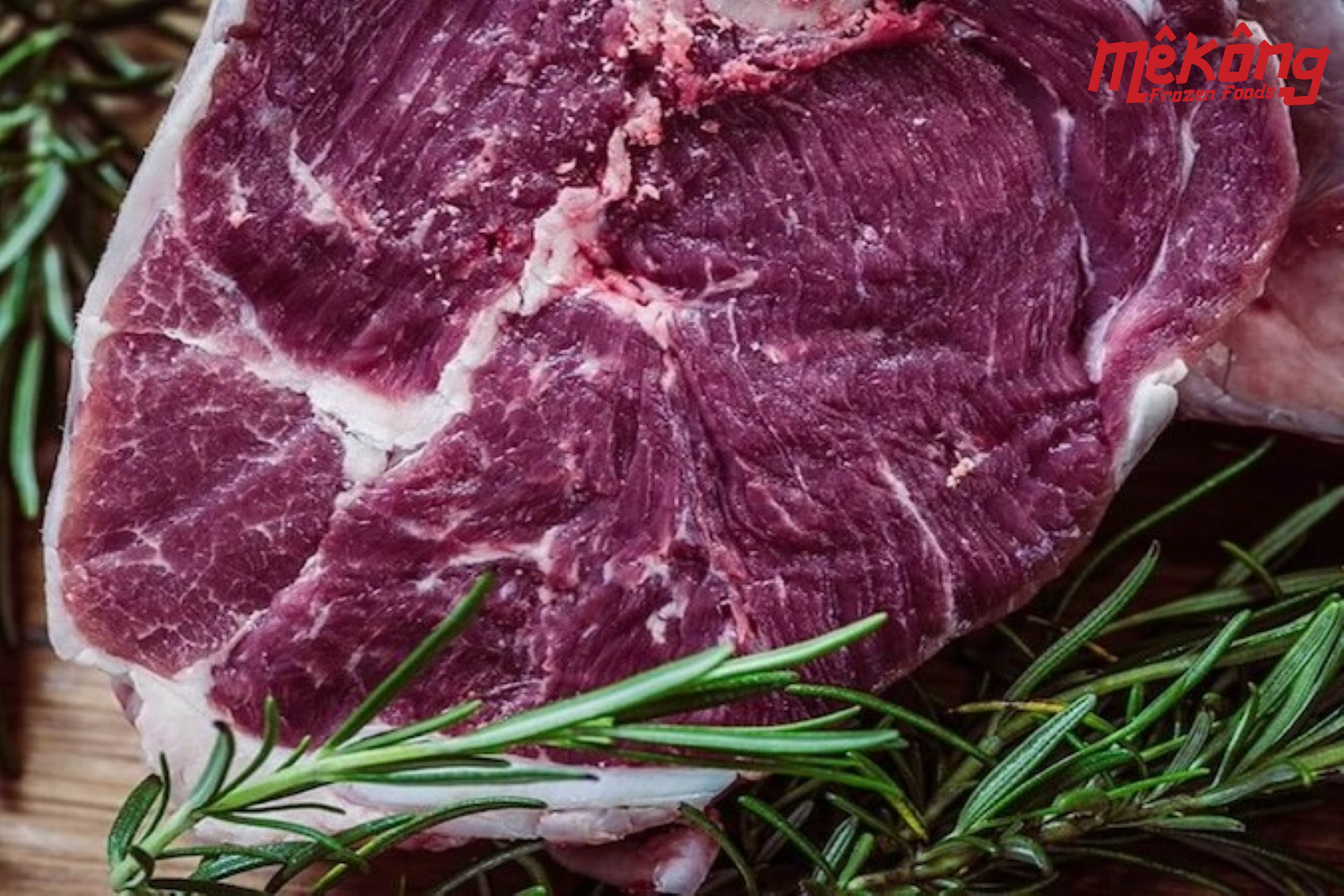
Both buffalo meat and beef are sources of high-quality protein, containing all nine essential amino acids needed by the body. According to some studies, the protein content in 100g of cooked buffalo meat can reach about 28.3g, slightly higher than that of beef, which is 27.1g.
Fat and Cholesterol
According to the U.S. Department of Agriculture (USDA), buffalo meat has a very low fat content, only about 1.6% to 5.6%, while beef ranges from 10% to 22%. Regarding cholesterol, 100g of buffalo meat contains about 82mg, which is lower than the 87mg found in beef.
Calories
Thanks to its low fat content, buffalo meat also has significantly fewer calories than beef. According to nutrition experts, 100g of cooked buffalo meat contains about 142 calories, while the same amount of beef can be up to 235 calories.
Iron
Many studies show that buffalo meat contains a significantly higher amount of iron than beef. Specifically, 100g of buffalo meat has about 3.41mg of iron, compared to 2.26mg in beef.
Other Vitamins and Minerals
Both types of meat are rich in B-group vitamins (B12, B6, niacin, riboflavin), which help boost energy and body metabolism. Additionally, both buffalo and beef provide zinc, phosphorus, and selenium. However, beef generally has a higher content of Vitamin B12, while buffalo meat is slightly higher in trace minerals such as iron and zinc.
Price and Market Availability
Compared to beef, buffalo meat is generally more affordably priced because it is less widely mass-produced, and consumption can be more seasonal. On average, the price of buffalo meat ranges from 150,000 - 250,000 VND/kg, depending on the cut (lean, sinew, shank), while beef is generally more expensive, especially imported cuts or young beef, which can be up to 300,000 - 500,000 VND/kg.
Beef has an extremely diverse supply, from local cattle (young beef, local cows) to high-end imported types such as Australian beef, American beef, and Wagyu. This diversity allows consumers to easily choose based on price, nutritional needs, preparation methods, and flavor preference. Beef is also more common in supermarket chains, restaurants, and the retail market, making it convenient for consumers to shop.
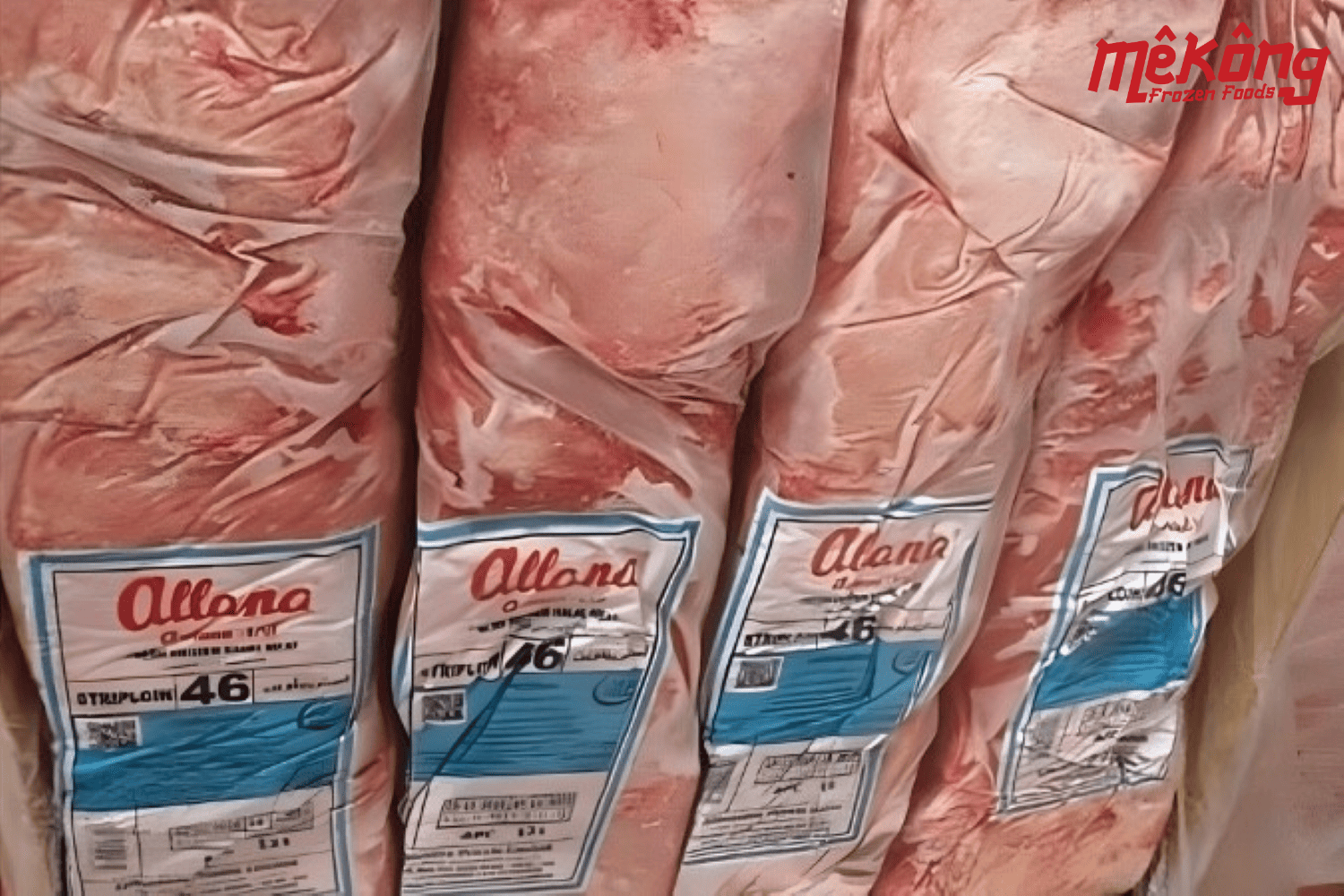
Buffalo meat is less commercially farmed, so the supply mainly focuses on frozen buffalo meat, dried buffalo meat, or free-range buffalo. This leads to variations in quality based on region and preservation methods. Although fresh buffalo meat may be hard to find in large cities, frozen or processed buffalo products are widely consumed due to their texture, characteristic flavor, and reasonable price.
Should You Choose Buffalo Meat or Beef for Your Meal?
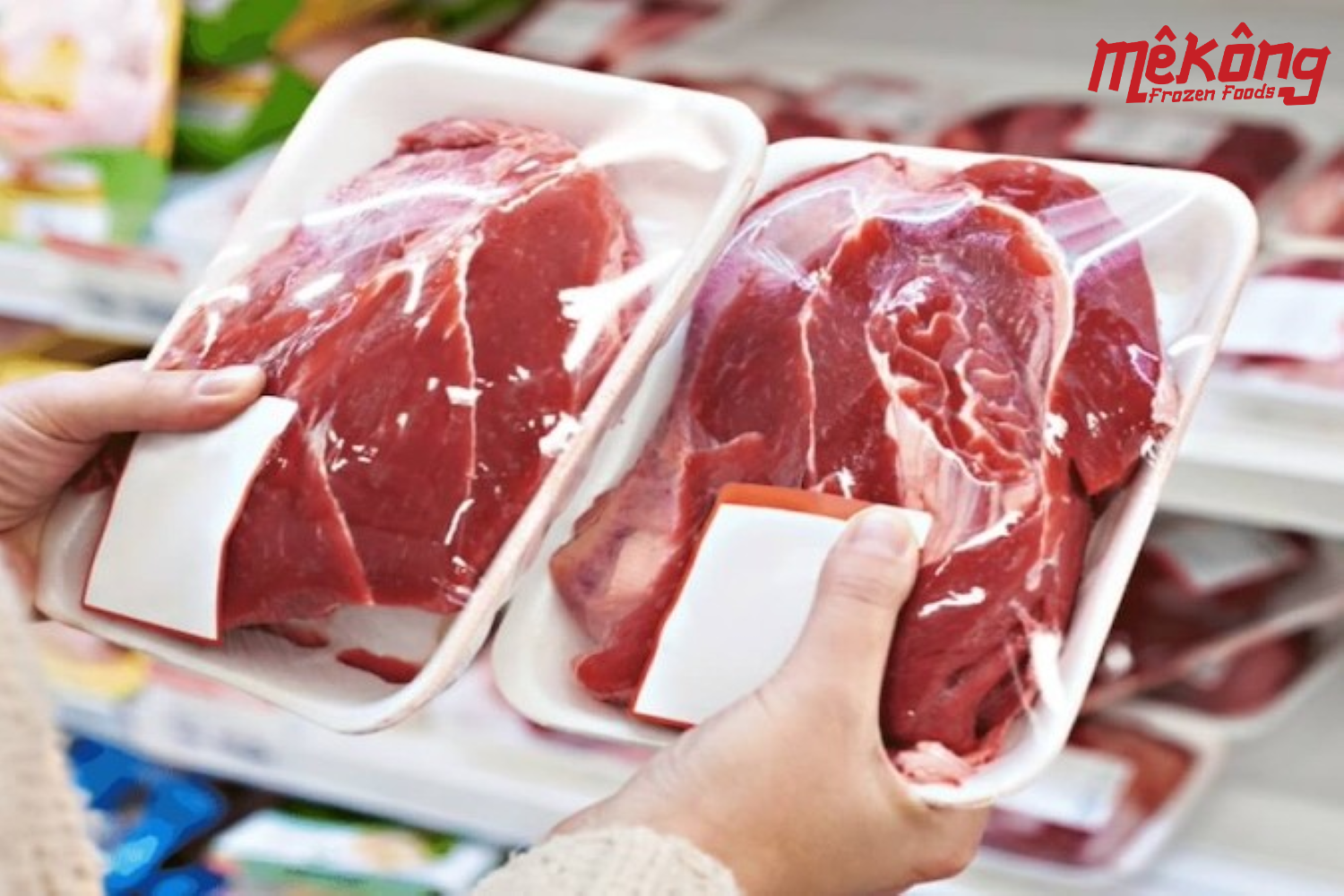
When choosing between buffalo meat and beef for a meal, it is important to consider the nutritional goals, taste preferences, and health needs of each family member. If you need a high-protein source that is low in fat and calories, suitable for dieters, people needing to control blood fat, or those building muscle, buffalo meat is the preferred choice due to its high iron content, lower cholesterol, and natural sweetness.
Conversely, if you want a dish that is tender, easy to prepare, and high in energy, particularly suitable for family meals or those needing muscle gain, beef will be the optimal choice, with a wide variety of cuts from local to imported beef, rich in Vitamin B12 and Zinc.
Conclusion
Overall, both buffalo meat and beef play important roles in a healthy diet, but each serves different purposes. The smart choice is based on your nutritional and health goals, taste preferences, or combining both types of meat in your meals to enjoy diverse flavors while providing adequate nutrients to the body.