


23/10/2025
Author:
Views: 544
Frozen Buffalo Meat: A Clean Food Solution for the Family
Frozen buffalo meat is a clean, nutritious and easy-to-prepare food choice for many families. Learn more
Do you ever find family meals monotonous with familiar ingredients? Do you want to try changing the menu, searching for meat that is both clean and rich in nutrients to take care of your family's health? Frozen buffalo meat is the ideal solution. With stable quality, easy storage, and high protein content, this type of meat not only enriches your meals but also brings peace of mind regarding clean food for your family.
This article will provide comprehensive information on frozen buffalo meat, from its origin and benefits to tips on thawing, preparing, and tenderizing the meat. Let's take a look!
What is Frozen Buffalo Meat?
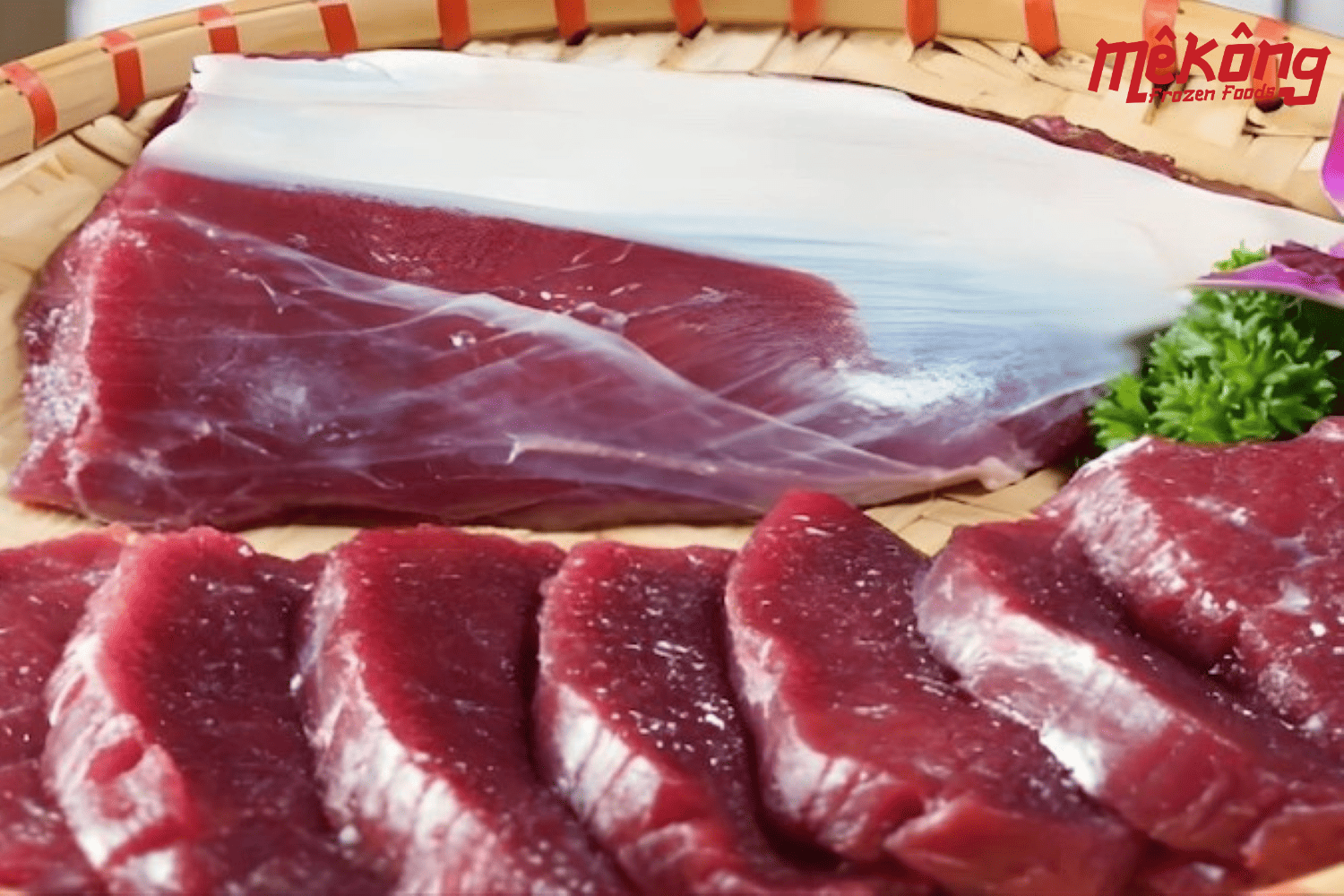
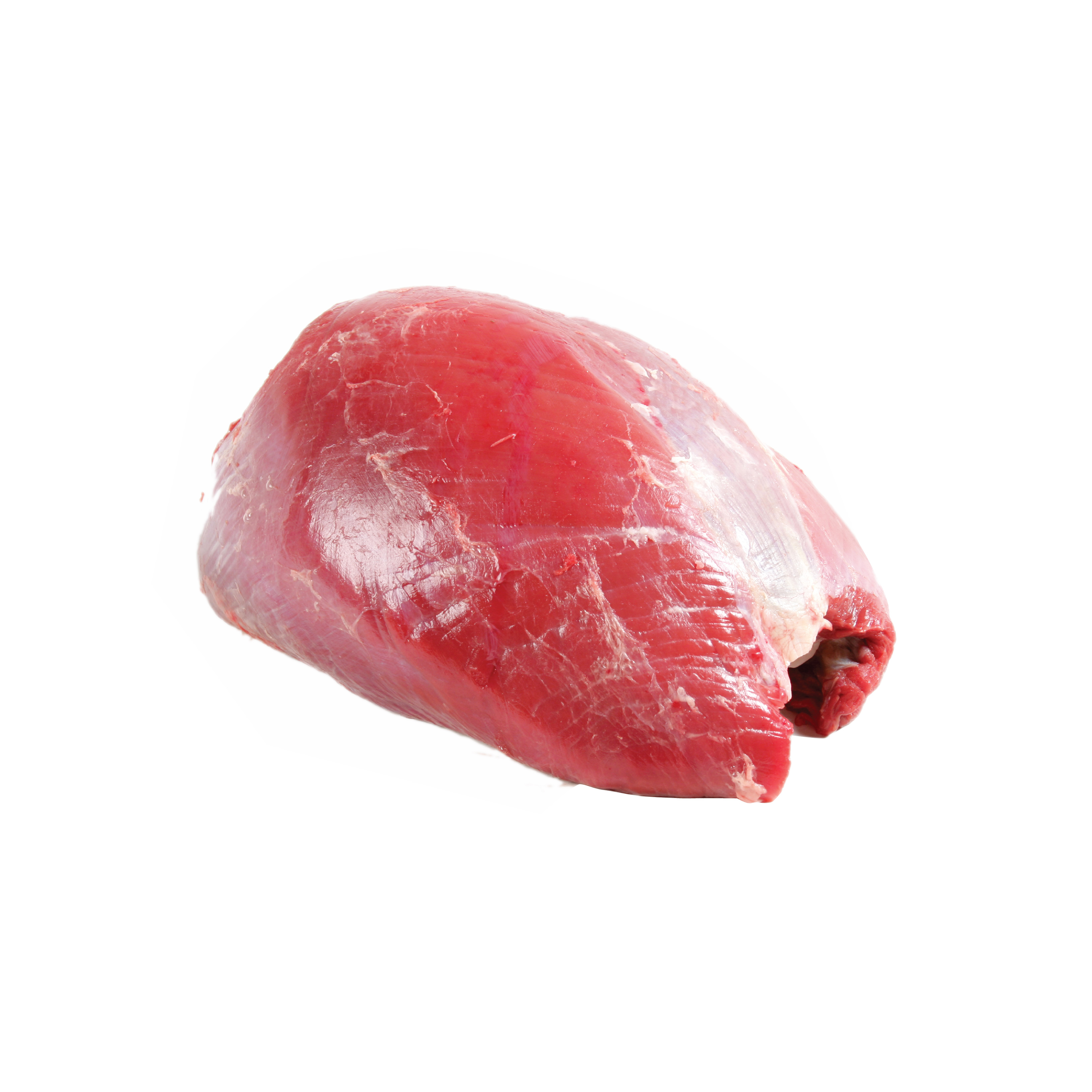
Frozen buffalo meat is fresh buffalo meat that is processed and preserved using deep freezing methods immediately after slaughter. The freezing process helps maintain the meat's flavor, tenderness, and nutritional value, while also preventing the growth of bacteria, mold, and other spoilage agents.
Frozen buffalo meat can be distributed over long distances while ensuring food safety, making it convenient for preparing dishes at home, in restaurants, or other food service establishments.
Imported frozen buffalo meat is increasingly popular in Vietnam, especially in major cities and areas with a high demand for clean, safe food. The main supply comes from countries with international standard rearing and slaughtering procedures, typically India, Thailand, Brazil, and some European countries.
Imported products are often Halal certified or comply with international food safety standards, ensuring high quality and clear traceability.
Production and Preservation Process of Frozen Buffalo Meat
Selecting and Slaughtering Buffalo
The process begins with selecting healthy, compliant buffalo. The quality of the meat heavily depends on the rearing method and the animal's health. The buffalo must be raised in a hygienic environment, without the use of growth promoters or antibiotics beyond permissible limits.
Following selection, the slaughtering is carried out at facilities that meet food safety and hygiene standards, with strict procedures to minimize stress on the animal, thereby ensuring the freshness and natural color of the meat.
Preliminary Processing and Meat Classification
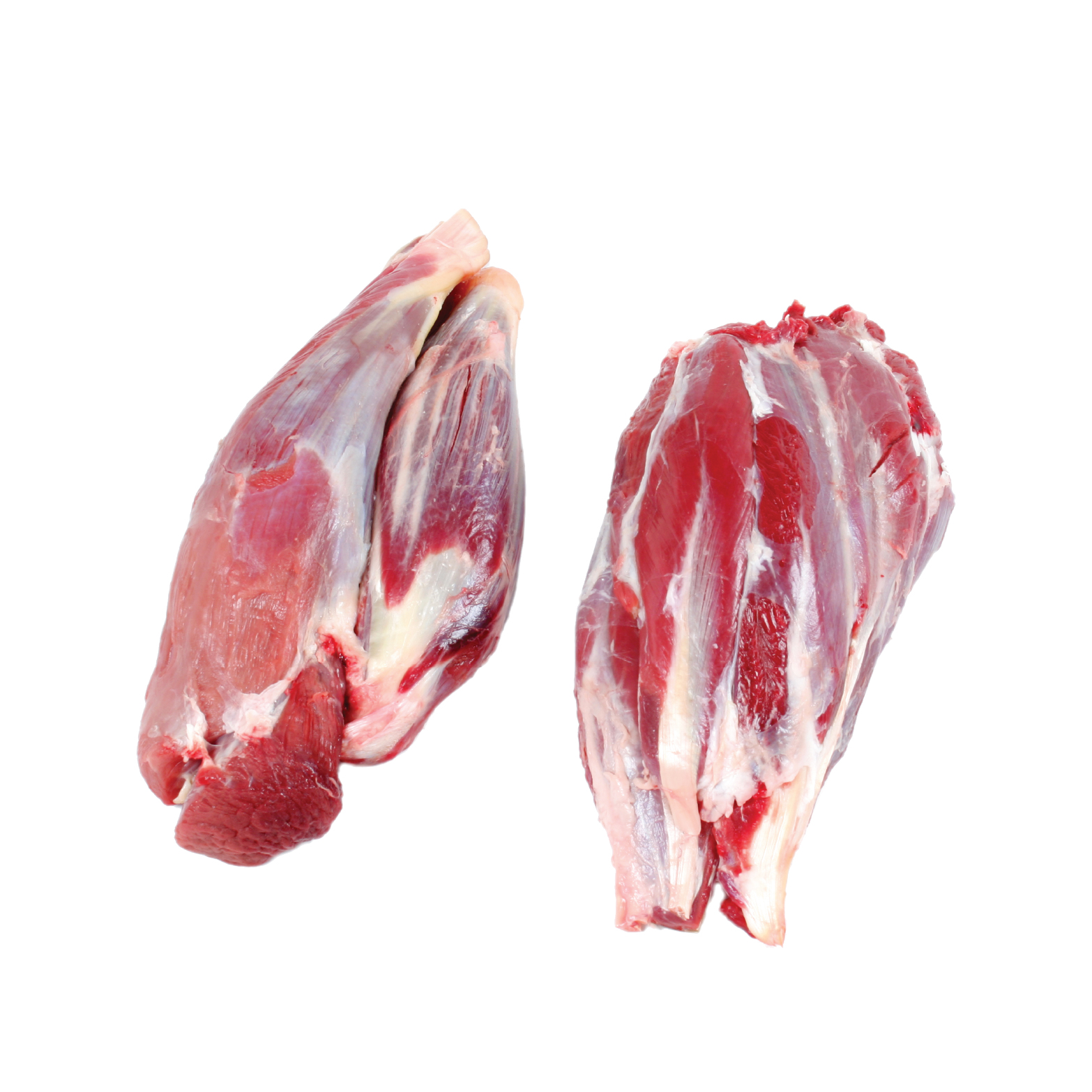
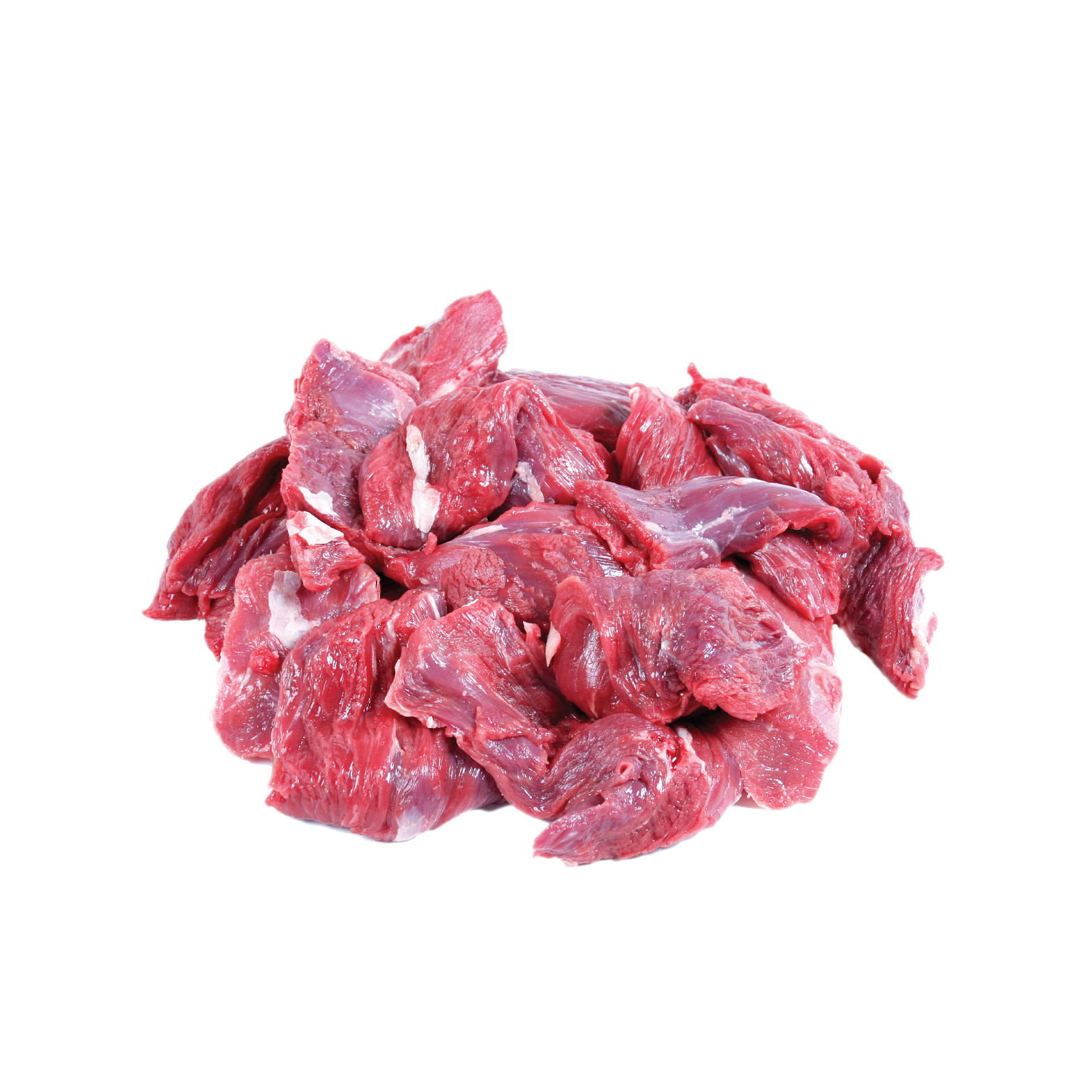
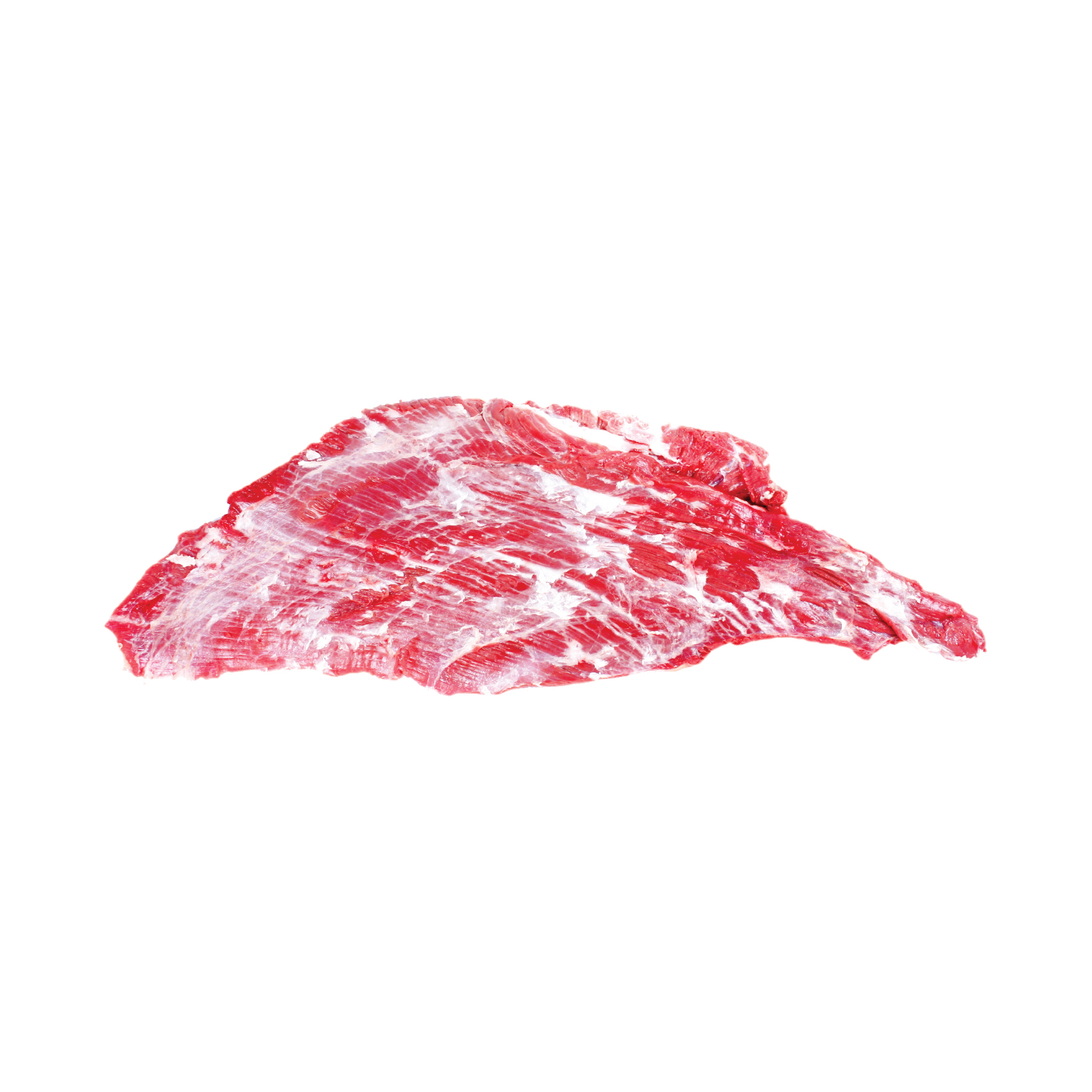
After slaughter, the buffalo meat is deboned and trimmed of excess fat and undesirable parts. The meat is washed with cold water and thoroughly inspected to remove impurities. Next, the meat is classified into different cuts (tenderloin, round, chuck, rib, etc.) to meet various cooking needs. Classification helps in easily controlling quality and standardizing product weight.
Pre-Chilling
Before entering the official freezing process, the buffalo meat is pre-chilled at a temperature of about 0 - 4°C for several hours. This step helps quickly reduce the temperature, eliminate surface microorganisms, and prepare the meat for deep freezing. Proper pre-chilling helps maintain the meat's natural moisture and limits water loss during freezing.
Rapid Freezing
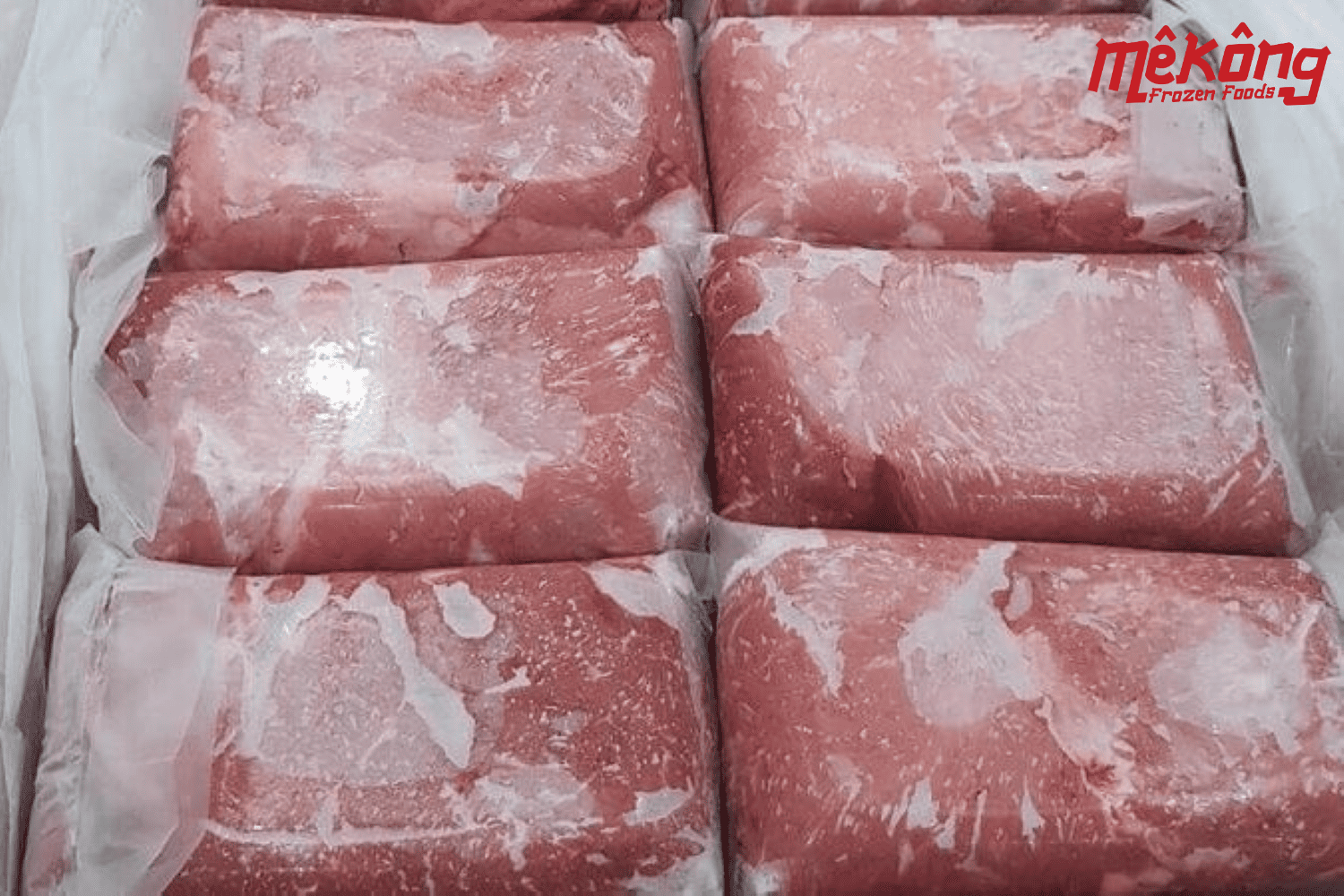
The buffalo meat is transferred to a rapid freezing system at sub-zero temperatures ranging from -30°C to -40°C. Rapid freezing helps form tiny ice crystals in the meat tissue, minimizing damage to muscle fiber structures and preserving the natural tenderness and flavor. This is a crucial step to ensure the frozen buffalo meat can be stored for a long time without quality degradation.
Packaging and Sealing
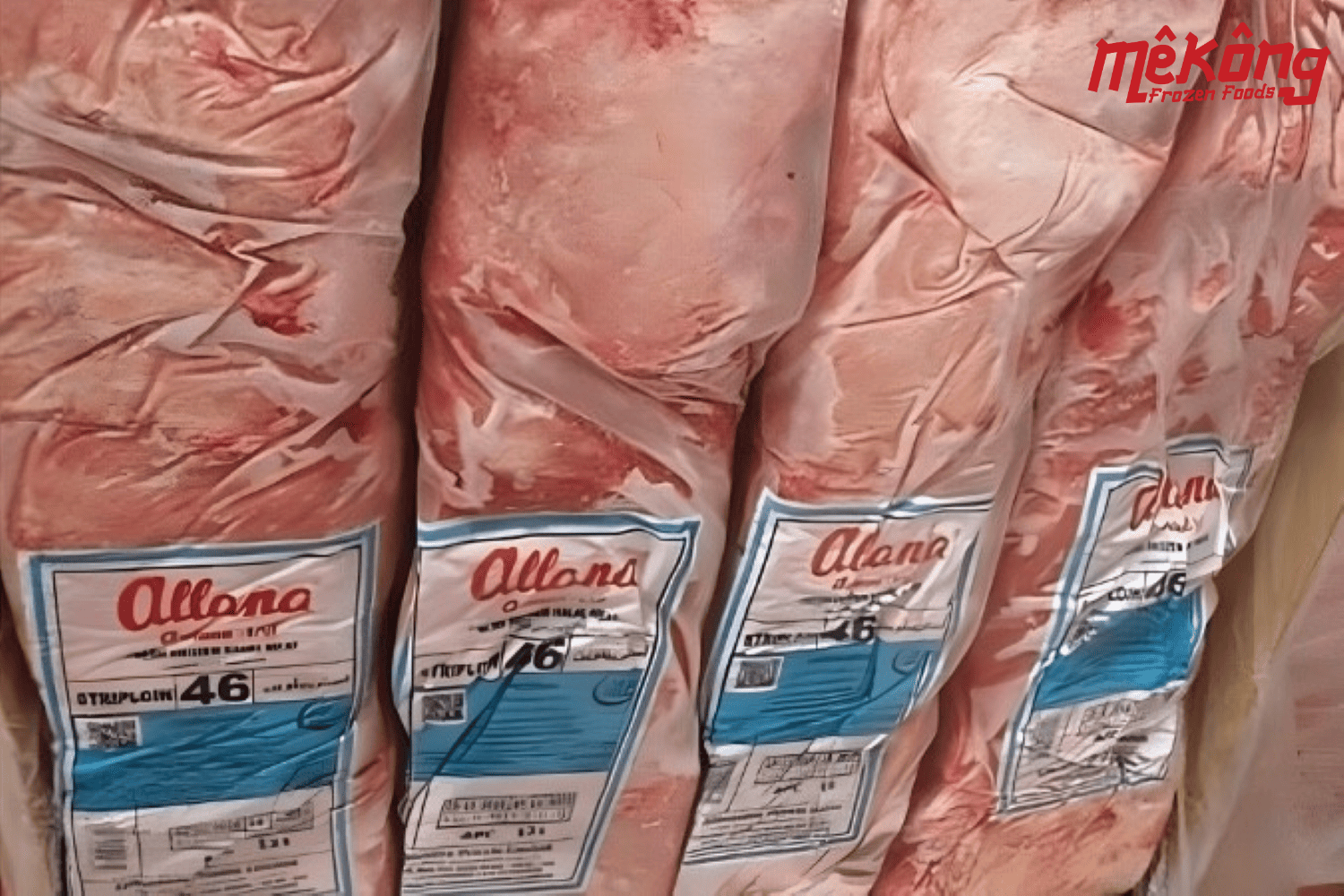
After freezing, the meat is vacuum-packed or uses moisture-proof, anti-oxidation packaging. Proper sealing prevents contact with air, limiting oxidation, dehydration, and bacterial contamination. Each package is labeled with complete information regarding origin, production date, expiry date, and storage instructions.
Storage and Transportation
Frozen buffalo meat is stored in deep cold storage (-18°C or lower) and transported in specialized refrigerated vehicles to maintain its frozen state. Throughout this process, the temperature must be strictly controlled to avoid repeated thawing and refreezing, ensuring food safety and preserving the meat's quality until it reaches the consumer.
Why is Frozen Buffalo Meat a Popular Choice?
Lower Cost
Compared to fresh buffalo meat sold in traditional markets, frozen buffalo meat, especially imported Indian buffalo meat, often has a significantly lower price. This helps restaurants and eateries optimize raw material costs while maintaining dish quality. For individual consumers, it is also a more economical solution to supplement nutrition for family meals.
Guaranteed Food Safety and Hygiene
Frozen buffalo meat is processed and preserved at deep sub-zero temperatures immediately after slaughter, which prevents the growth of bacteria and spoilage agents. Compared to fresh meat, frozen meat carries less risk of microbial contamination, which is especially important for families with children or the elderly.
Maintains Quality and Nutritional Value
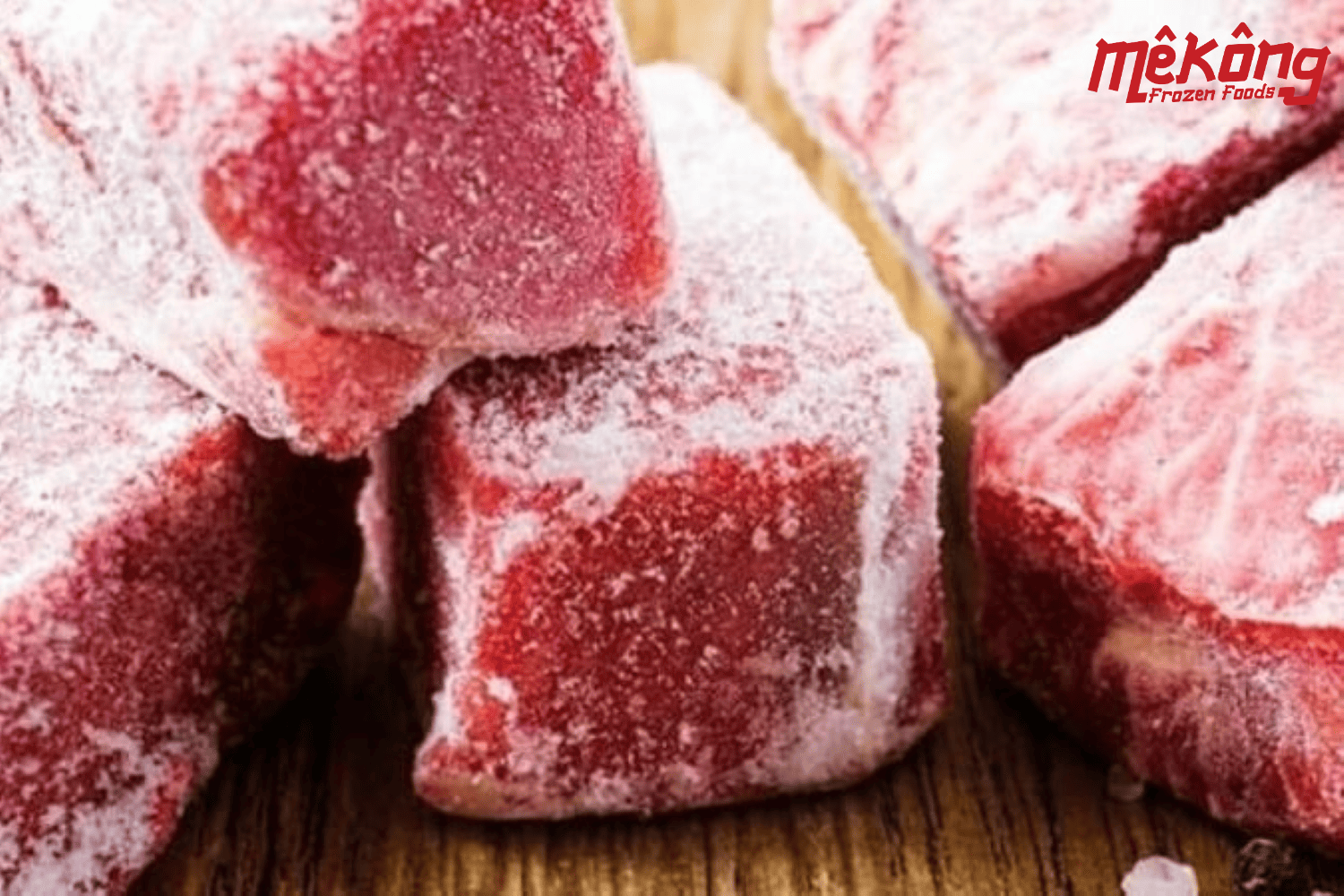
Thanks to a strict quality control process and rapid freezing, frozen buffalo meat retains its natural color, tenderness, moisture, and nearly intact protein, vitamin, and mineral content. When thawed correctly, the meat remains tender, delicious, and suitable for preparing various dishes.
Convenience in Storage and Preparation
Frozen buffalo meat can be stored for a long time without spoiling, making it suitable for stocking up at home or in restaurants. Consumers can buy large quantities at once, saving time on market trips and allowing for proactive meal preparation.
Suitable for Wide Distribution Needs
Frozen buffalo meat can be transported over long distances while maintaining its quality, which is convenient for food stores, supermarkets, or restaurants looking to import or distribute domestically.
Comparison of Frozen Buffalo Meat and Fresh Buffalo Meat
Criteria | Frozen Buffalo Meat | Fresh Buffalo Meat |
Nutritional Value | Nutrition is nearly equivalent; some temperature-sensitive vitamins (B1) are slightly reduced, but protein and minerals are preserved. | Retains all protein, B vitamins, iron, and minerals if consumed immediately. |
Flavor & Texture | Nearly equivalent when thawed correctly; can slightly lose tenderness if improperly thawed/cooked. Flash freezing minimizes changes. | Natural flavor, delicious, tender; muscle structure retains maximum elasticity. |
Food Safety | Safer due to preservation at deep-freezing temperatures, which inhibits bacterial growth; imports comply with international hygiene standards. | High risk of bacteria and mold if not immediately chilled after slaughter. |
Convenience | Easy for long-term storage and long-distance transport; can be portioned and thawed as needed; suitable for busy families and restaurants. | Must be consumed immediately or stored for a short term; difficult to transport over long distances. |
Shelf Life | 6 - 12 months at -18°C or lower, maintaining long-term flavor and quality. | 1 - 2 days in the refrigerator; a maximum of 3 - 5 days if well-chilled. |
Cost | Higher price due to freezing, packaging, transportation, and import costs, but offers high convenience and food safety. | Generally cheaper, no costs for packaging, preservation, and transportation. |
Factors Determining the Quality of Frozen Buffalo Meat
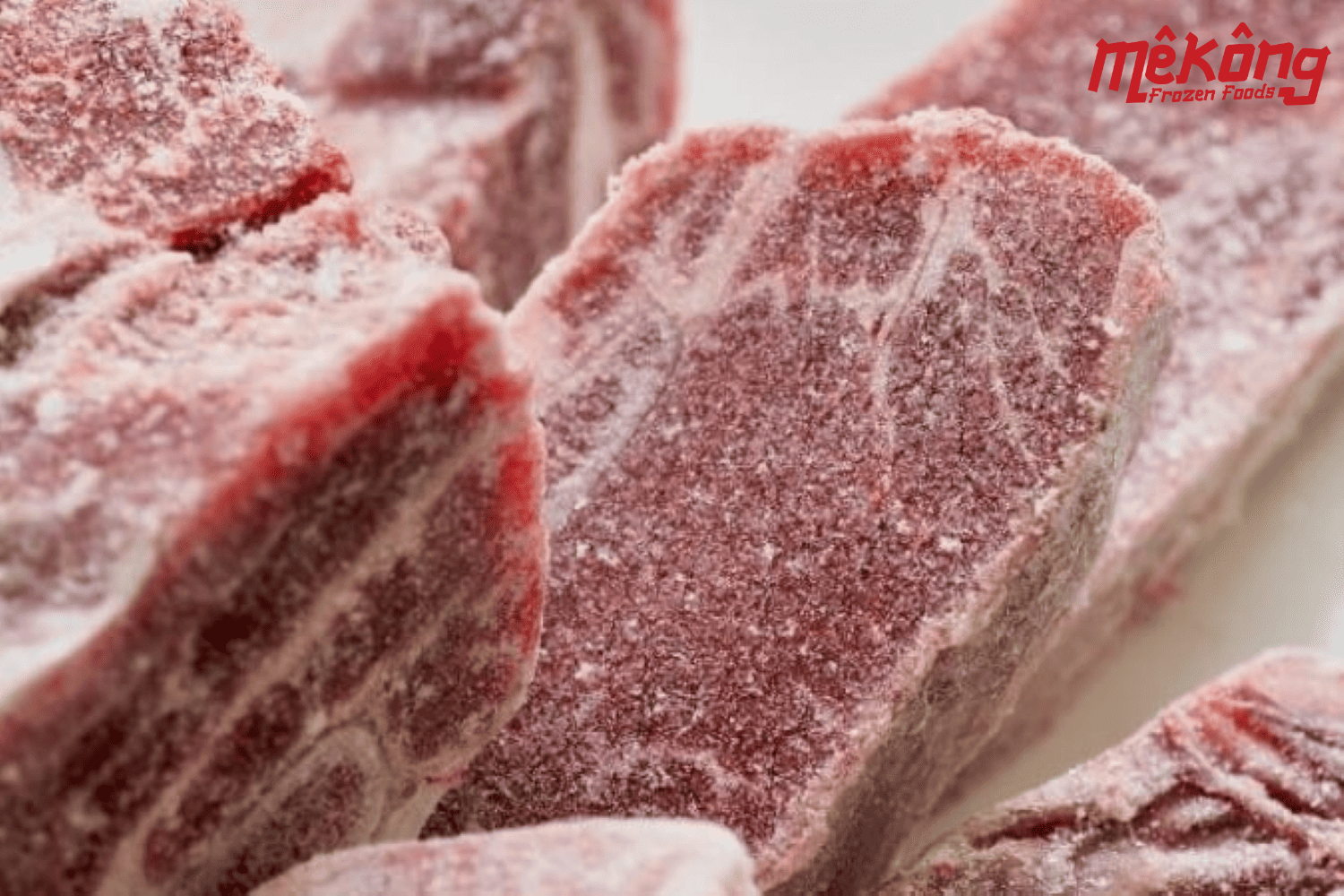
Origin and Traceability
Most frozen buffalo meat currently on the Vietnamese market is imported, primarily from India. These products must comply with the strict quarantine procedures of both the exporting country and Vietnam.
A product with clear origins, from reputable, audited factories, ensures quality and is free from prohibited substances or antibiotic residues. You should prioritize choosing products from well-known suppliers who are transparent about origin information.
Slaughtering and Preservation Process
The quality of frozen buffalo meat largely depends on the slaughtering and preservation process. The meat must be slaughtered in a hygienic environment, then rapidly frozen at a low temperature (usually below -18°C). This process helps inhibit bacterial growth, maximally retaining the meat's nutritional value, flavor, and texture.
You should check whether the product has been continuously stored in a deep-freeze condition. If the meat has been thawed and refrozen, the quality will be significantly reduced; the meat may become mushy, watery, and prone to bacterial contamination.
Food Safety Certifications
Certifications such as HACCP, ISO 22000, VietGAP, Halal, or international import certifications are important evidence that the frozen buffalo meat is strictly quality-controlled. These certifications ensure that the processes of farming, slaughtering, preservation, and distribution all comply with safety standards, giving consumers peace of mind when using the product. When buying frozen buffalo meat, look for these reputable certifications.
Packaging, Labels, and Product Information
A quality product will have clear packaging, labels, and complete information. You should check the following points:
- Packaging: Ensure the packaging is intact, not torn or punctured, and shows no signs of abnormal water leakage or ice buildup.
- Labels: The packaging must have labels clearly stating information such as the product name, manufacturer, expiration date, packing date, origin, and relevant certifications.
- Product Information: Carefully read the nutritional information, storage instructions, and preparation methods printed on the packaging. This not only helps you use the product correctly but also demonstrates the supplier's professionalism and transparency.
Tips for Thawing, Preparing, and Tenderizing Frozen Buffalo Meat
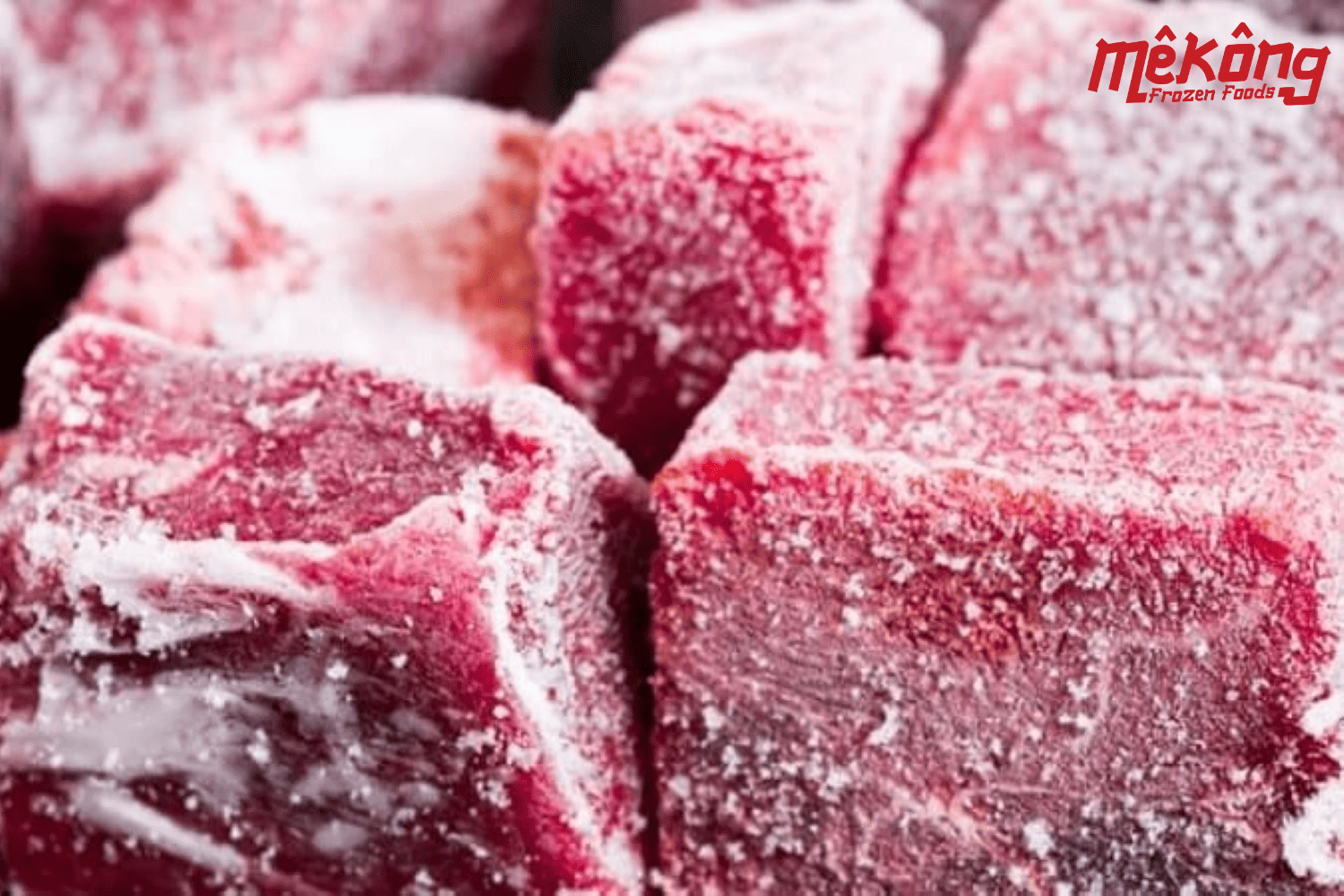
How to Thaw Buffalo Meat
Thawing buffalo meat seems simple but directly affects the dish's quality, flavor, and safety. Incorrect thawing can make the meat tough, lose moisture, and be easily contaminated by bacteria. Below are the safest and most effective thawing methods.
Slow Thawing in the Refrigerator
This is the method recommended by nutritionists and chefs. Although it takes more time, it helps to fully preserve the flavor, tenderness, and nutrients of the meat. The process is simple: just take the buffalo meat from the freezer, place it in a sealed plate or container, and move it to the refrigerator's chiller compartment. Depending on the mass, the meat usually needs 12 - 24 hours to thaw completely.
Advantage: The meat thaws evenly, without structural changes, minimizes bacterial growth, and can be stored for an additional 1 - 2 days in the chiller before cooking.
Fast Thawing with Cold Water or Microwave
If you need to thaw buffalo meat quickly, you can use these two methods, but they must be done correctly to ensure safety.
- Thawing with Cold Water: Seal the meat in a zip-top bag or waterproof packaging, then submerge it in a bowl of cold water. Change the water every 30 minutes to ensure it remains cold. It will take about 1 - 2 hours to fully thaw a small piece of meat.
Note: Do not use hot water, as it will partially cook the surface of the meat, creating an environment for bacteria to grow.
- Thawing with Microwave: Place the meat on a microwave-safe plate, use the defrost setting, and adjust to low power.
Note: The meat must be cooked immediately after thawing with a microwave, as the temperature can partially cook the meat, making it susceptible to bacterial contamination.
Important Thawing Notes
- Never thaw at room temperature: This is the most common mistake, creating ideal conditions for bacteria to multiply, leading to food safety issues.
- Do not refreeze thawed meat: Once meat has thawed, bacteria have already begun to grow. Refreezing will cause the meat to spoil and become unsafe for consumption.
- Use clean utensils: Ensure the plates, containers, and bowls of water used for thawing are always clean.
- Preparation after thawing: Once the meat is soft, it should be washed and prepared immediately for cooking.
How to Prepare and Tenderize the Meat
Preparation of Frozen Buffalo Meat
After the meat is completely thawed, follow these steps to prepare it:
- Rinse the meat: Use diluted salt water or white wine mixed with crushed ginger to wash the meat. This not only helps remove bacteria but also reduces the typical odor of frozen meat. You can also use vinegar to rinse, then wash again with clean water and drain.
- Pat dry: Use clean paper towels or a dry cloth to absorb all the moisture from the meat's surface. This step is crucial because if the meat remains wet, the dish will not taste good, and the meat tends to be tough and less firm.
- Remove sinew and excess fat: Trim off any remaining fat or sinew. Although frozen buffalo meat has been quite thoroughly trimmed, removing these parts entirely will make the dish more tender and appealing.
Tenderizing Frozen Buffalo Meat
After thawing, use the back of a knife or a meat mallet to lightly pound the meat to break up the muscle fibers, then slice the meat against the grain.
You can use baking soda to effectively tenderize the meat: sprinkle a thin layer on the surface, gently massage for 15 - 20 minutes, then rinse it off. Additionally, marinating the meat with vinegar, lemon, or beer is also a secret to tenderizing and enhancing the flavor of the dish.
Conclusion
Frozen buffalo meat is not only a clean and convenient food source but also helps your family maintain varied and nutritious meals. With production and preservation processes meeting international standards, you can be completely confident in its safety and quality. Try adding frozen buffalo meat to your daily menu to experience the difference.