


23/10/2025
Author:
Views: 938
Buffalo Meat – A Smart Choice for Healthy and Nutritious Dining
Discover the outstanding nutritional value of buffalo meat, how to choose, preserve and process it properly to create delicious meals.
Are you looking for a food that is both delicious and nutritious for your family? Buffalo meat is the perfect choice. Not only is it a source of quality protein, but buffalo meat also contains many essential minerals for the body, supporting health enhancement and muscle development.
The article below will provide comprehensive information about buffalo meat, from its origin, characteristics, nutritional value, and preparation methods, to tips for selecting fresh, quality buffalo meat, helping you confidently prepare delicious and healthy meals. Let's explore!
What is Buffalo Meat?
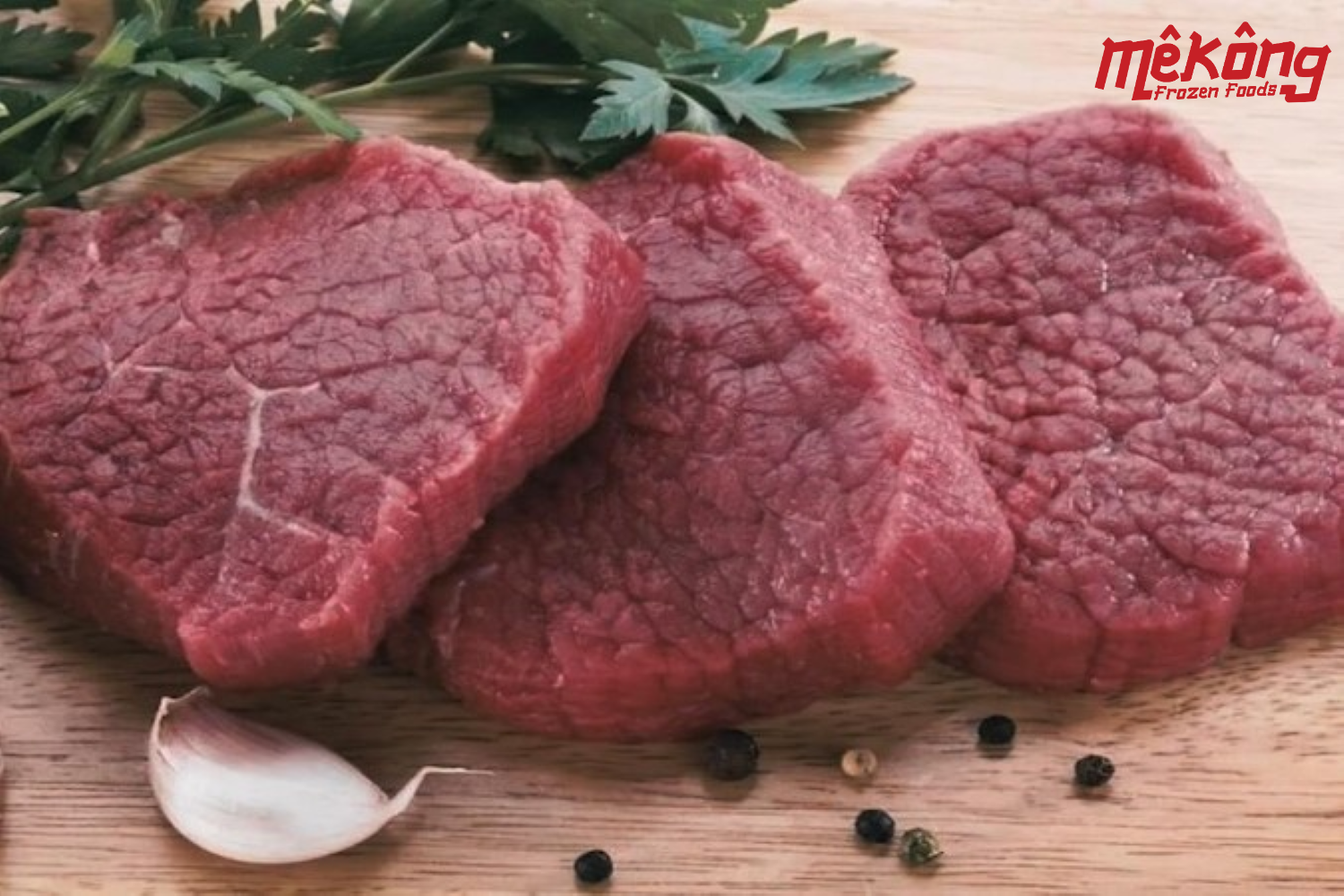
Buffalo meat is the meat obtained from buffalo, a common livestock species in Vietnam and countries in South and Southeast Asia. Nutritionally, buffalo meat is comparable to other meats like beef or pork, and even has unique advantages, such as being low in fat, rich in iron, having cooling properties (in traditional medicine) but not causing harm, making it very suitable for dishes prepared in hot weather. Besides the meat, many other parts of the buffalo, such as the horns, milk, teeth, skin, offal, liver, spleen, and stomach, are also used in cuisine and traditional medicine.
Nutritional Value of Buffalo Meat
Buffalo meat is a nutrient-rich food source that offers many health benefits. From a scientific perspective, buffalo meat is evaluated as a high-nutritional-value red meat, even having several advantages over beef.
Low Fat and Cholesterol Content
According to the United States Department of Agriculture (USDA), buffalo meat contains only about 1.6% - 5.6% fat, whereas beef can contain from 10% - 22% fat. The cholesterol content in 85g of buffalo meat is about 49mg, much lower than the 76mg found in 85g of beef. This makes buffalo meat an ideal choice for people who are dieting, want to lose weight, or have cardiovascular concerns.
Abundant Protein Content
Buffalo meat is an excellent source of protein, essential for building and repairing muscle, as well as maintaining overall health. According to USDA analysis, 85g of buffalo meat contains about 26g of protein. Although the protein content in buffalo meat and beef is similar, the protein in buffalo meat is considered very high quality, helping the body regenerate skin, support wound healing, and neutralize acids.
Rich in Minerals and Vitamins
Buffalo meat is not only rich in protein and low in fat but also provides a large amount of important minerals and vitamins:
- Iron: Buffalo meat has a significantly higher iron content than beef. Iron is essential for red blood cell production and oxygen transport throughout the body, helping prevent anemia, fatigue, and weakness.
- Vitamin B12: Vitamin B12 plays a crucial role in DNA production, red blood cells, and maintaining healthy nervous function.
- Other B Vitamins: Besides B12, buffalo meat also contains vitamins B6 and B3, which help the body metabolize energy and maintain the activity of the nervous system.
- Minerals: Buffalo meat is also a source of other essential minerals such as potassium, zinc, calcium, and phosphorus, which are important for bone health and the immune system.
Low Calorie Content
A serving of 85g of buffalo meat provides about 160 calories, significantly lower than many other red meats. With a moderate calorie content, low fat, but abundant protein and minerals, buffalo meat is a balanced and healthy food with high nutritional value, suitable for all diets.
Common Types of Buffalo Meat on the Market
Fresh Buffalo Meat
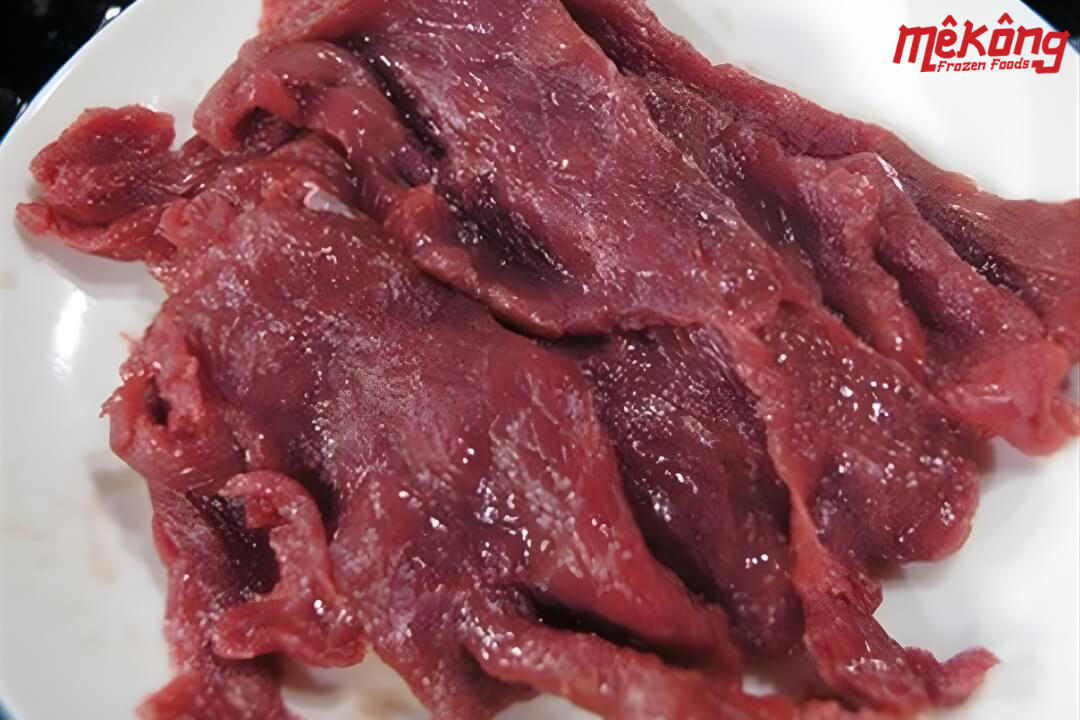
This is meat freshly slaughtered, not yet subjected to long-term preservation processing, and is usually sold at markets, supermarkets, or fresh food stores.
- Pros:
- Delicious flavor, naturally tender, retains original nutrients.
- Easy to check the freshness and quality of the meat before buying.
- Cons:
- Short-term preservation; only lasts a few days in the refrigerator.
- Needs to be cooked immediately or frozen for long-term use.
- May be difficult to find in some areas without specialized fresh buffalo meat stores.
Imported Frozen Buffalo Meat
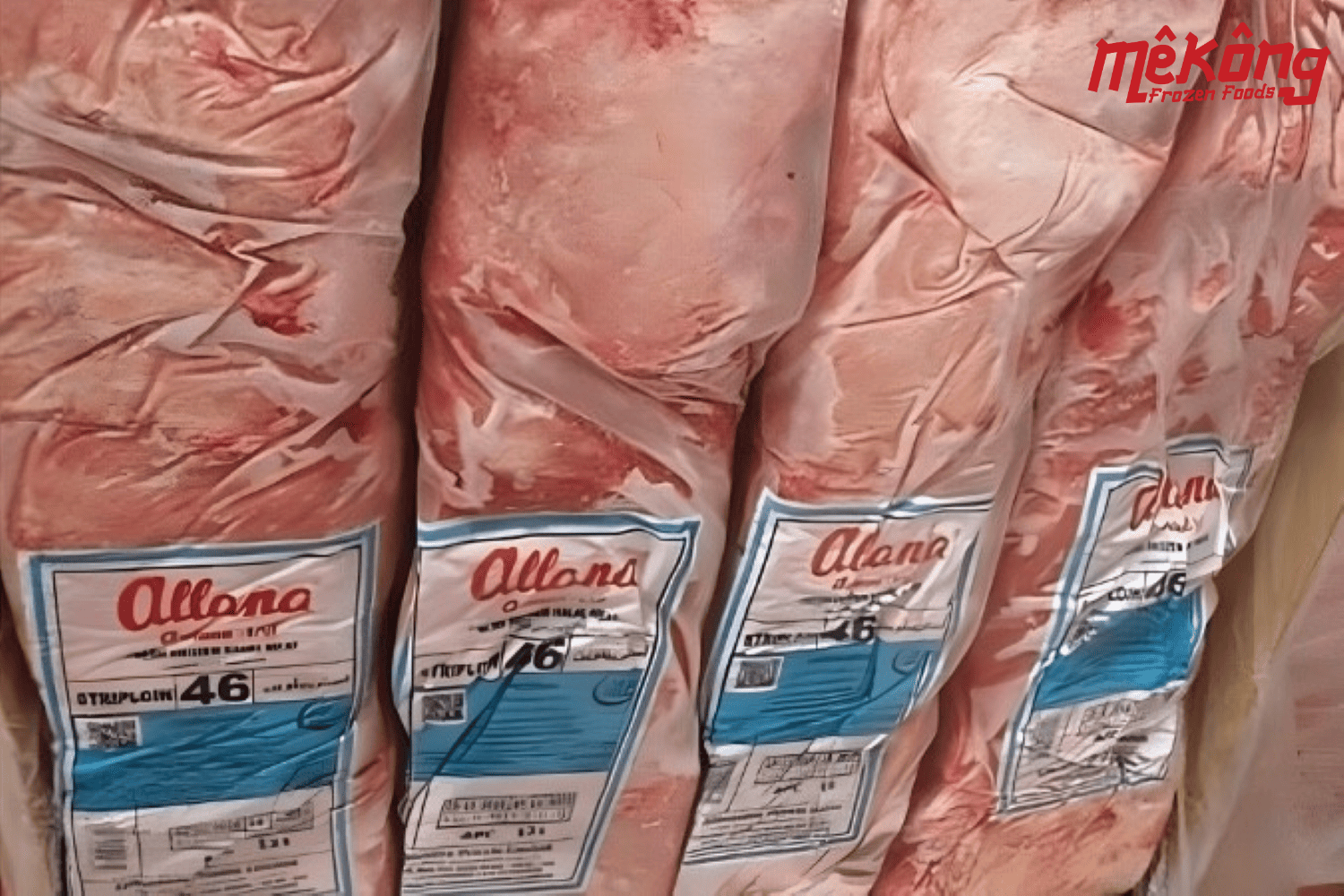
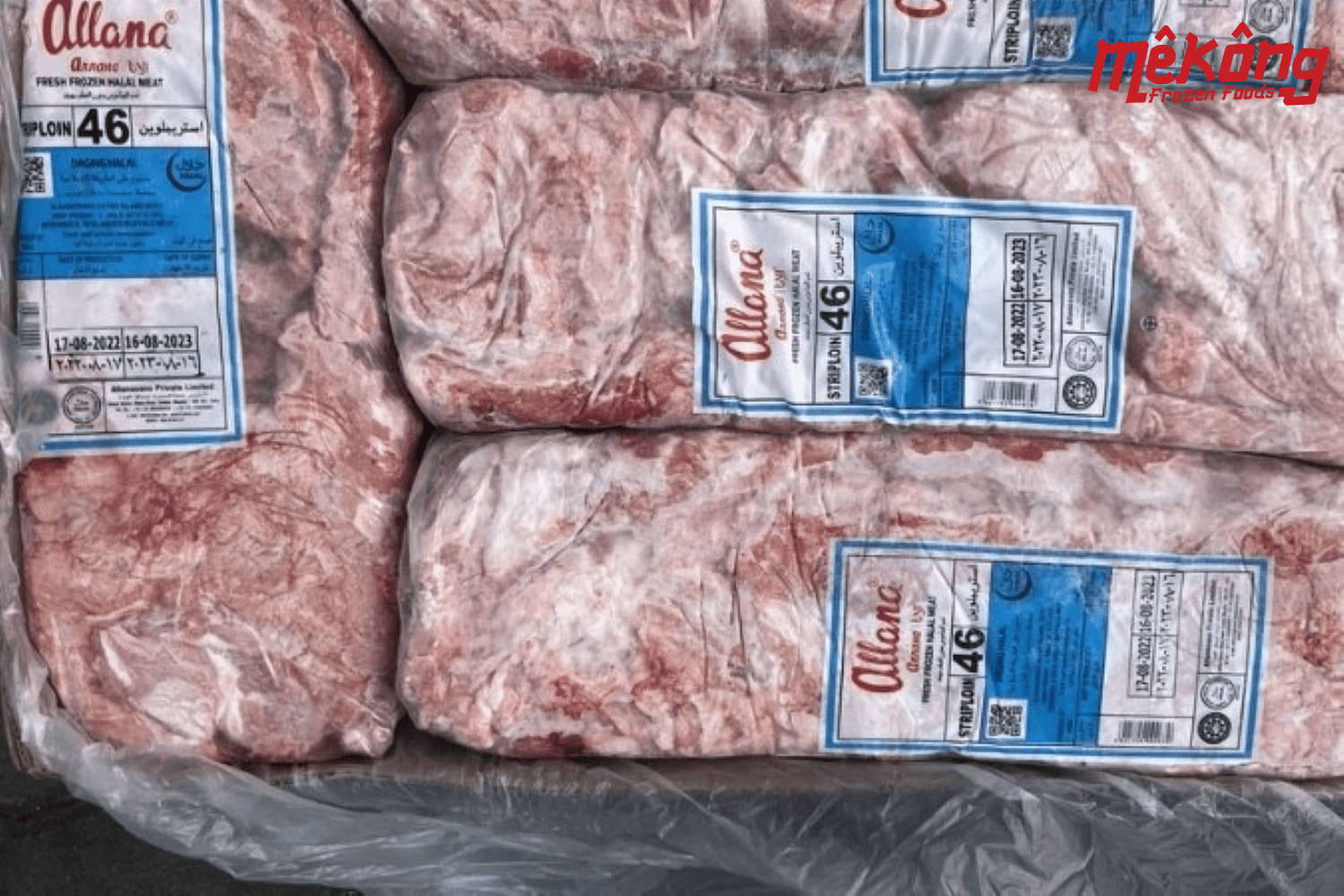
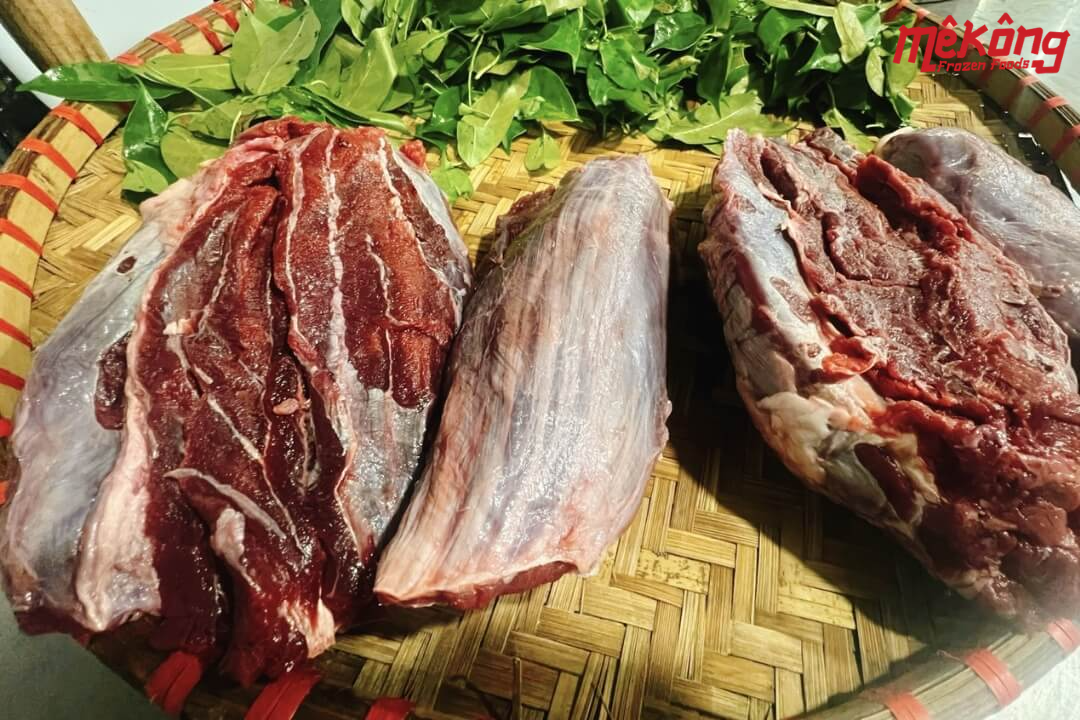
Imported frozen buffalo meat is meat that has been slaughtered, cleaned, frozen, and imported from countries such as India, Thailand, etc.
- Pros:
- Can be stored for a long time, convenient for transportation and distribution.
- Usually has a controlled origin and guarantees food hygiene and safety.
- Available year-round, independent of the domestic market.
- The price is often cheaper than fresh buffalo meat.
- Cons:
- Flavor and tenderness may not be equal to fresh meat if not thawed correctly.
- Because it needs to be thawed before use, frozen buffalo meat is not convenient for dishes that require immediate preparation.
Dried Buffalo Meat
Dried buffalo meat is meat that is marinated with spices and naturally dried using smoke from a wood stove. It is a famous specialty of some regions, such as Northwest Vietnam.
- Pros:
- Preserves for a long time, can be consumed directly without further preparation.
- Has a distinct rich, fragrant flavor thanks to the spices and smoking method.
- Convenient for snacks, travel, or as gifts.
- Cons:
- Not suitable for cooked dishes like stewing, stir-frying, or steaming.
- High in salt and spices, not suitable for people who need to eat bland food or limit salt intake.
- The price is often high due to elaborate processing and its specialty nature.
- Needs to be purchased from reputable establishments to ensure food safety and quality.
- Can be counterfeited with pork or beef.
Distinguishing Buffalo Meat from Beef
To distinguish between buffalo meat and beef, you can rely on a few basic characteristics:
Color
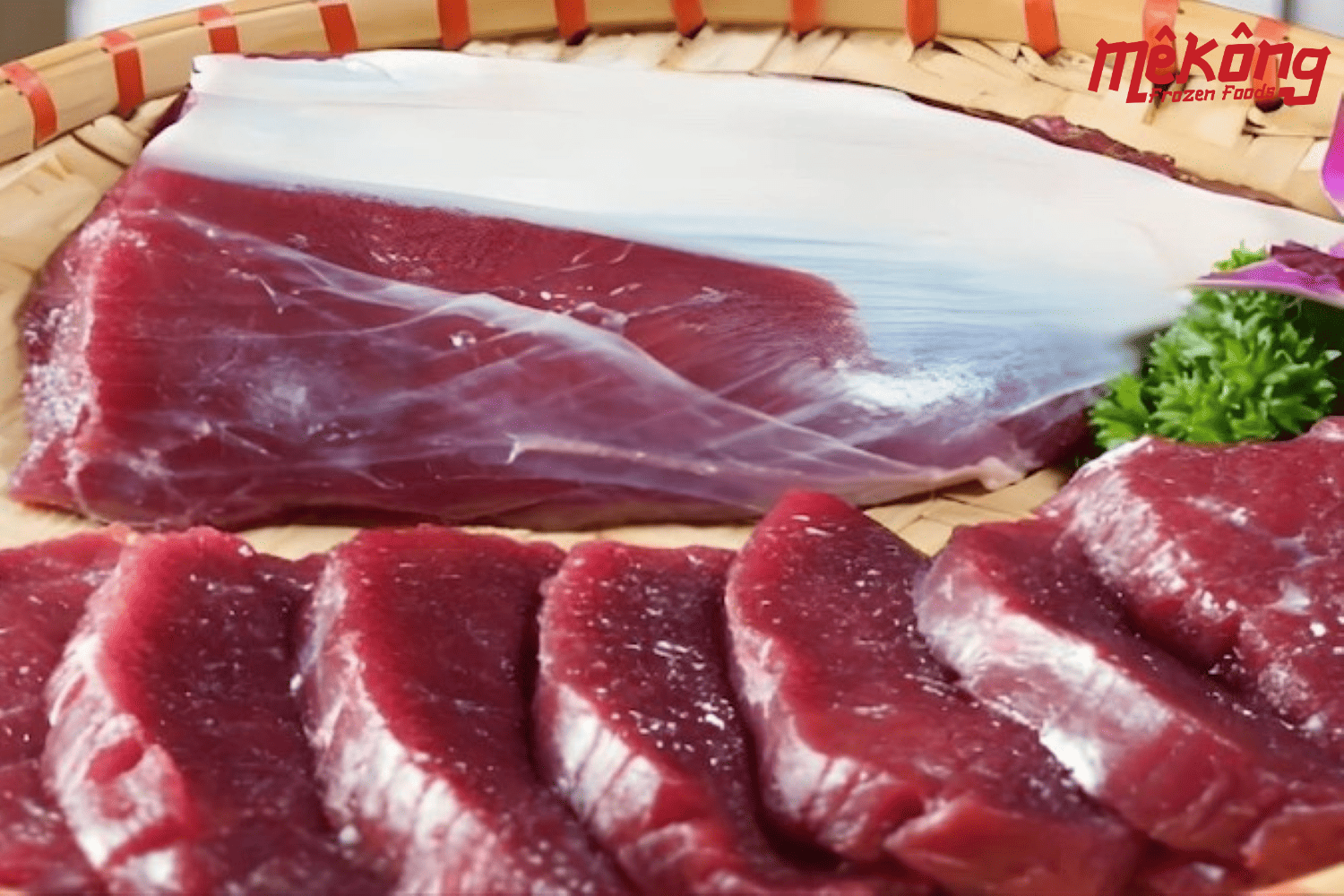
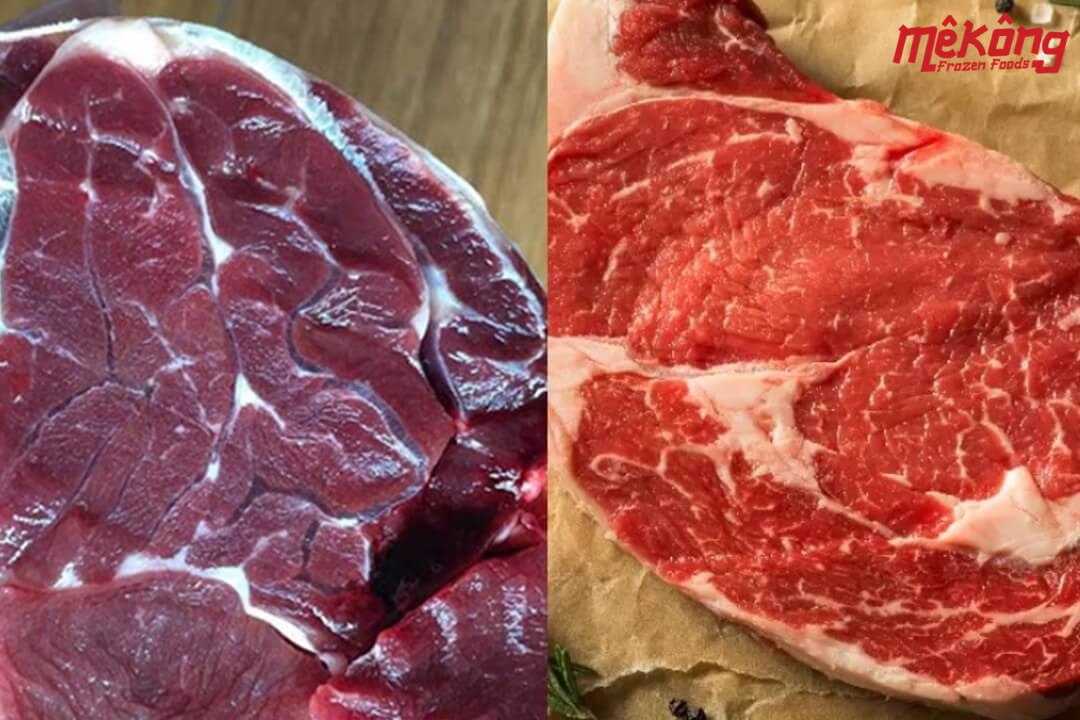
Fresh beef typically has a bright pink or light red color, appearing eye-catching and lighter than buffalo meat. In contrast, buffalo meat has a darker pink or deep red color, looking heavier in tone than beef.
Marbling
Beef usually has many small, yellow fat veins (marbling) distributed evenly across the muscle fibers. Conversely, buffalo meat has less marbling; the fat color is usually pale yellow or white and not as distinct as in beef.
Muscle Fibers
If you observe a cross-section of the meat, the muscle fibers of beef are small, fine, and uniform. When pressed, you will feel a distinct stickiness, especially with fresh beef. Buffalo meat, however, has large, coarse, and tougher muscle fibers, which are more visible than those of beef. When pressed with your hand, you will also feel that the muscle fibers are not as sticky as beef.
Flavor
When raw, buffalo meat has a distinctly stronger gamey smell than beef. After cooking, buffalo meat is often chewy and tough, sometimes retaining a slight gamey flavor if not cooked thoroughly. Meanwhile, cooked beef has a characteristic aroma, the meat is tender, and it shrinks more neatly.
Thus, when choosing, buying, and preparing, you can rely on the color, muscle fibers, marbling, and odor to differentiate between buffalo meat and beef.
Tips for Selecting, Preserving, and Preparing Buffalo Meat
How to Select Fresh and Quality Buffalo Meat
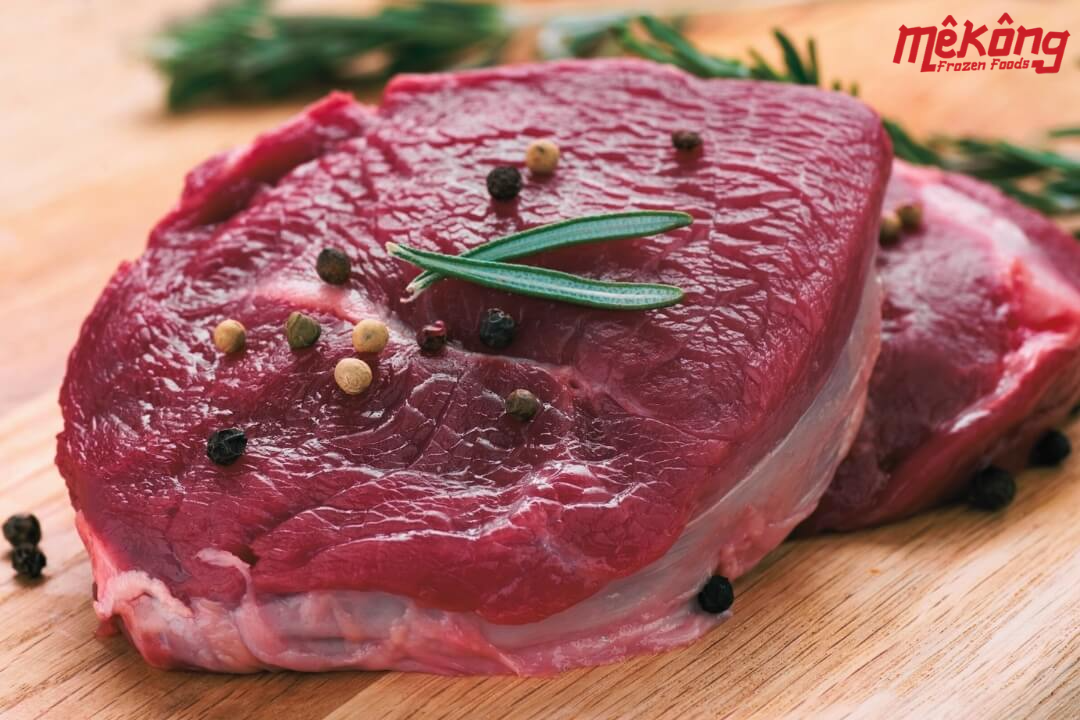
To choose fresh and quality buffalo meat, you need to carefully observe the color, muscle fibers, and elasticity. Standard buffalo meat usually has a characteristic dark red color, deeper than beef, and the color must be uniform, not pale or patchy. When gently pressed on the surface with your hand, fresh meat will quickly spring back, while old meat is often soft and mushy, exudes liquid, or leaves a dent.
The smell of fresh buffalo meat is quite light and pleasant, not pungent or strongly gamey; if there is a strange odor, it is a sign that the meat has spoiled. The muscle fibers of buffalo meat are long, large, firm, with a dry surface and a thin layer of off-white fat, which differs from beef fat, which is usually yellowish. Depending on the purpose of cooking, you can choose the shank or round for stewing/braising; the loin for stir-frying/grilling; or the shoulder with more tendons for braised dishes or fake dog meat stew.
When buying at the market, prioritize meat that was freshly slaughtered on the same day, is still warm, and does not have a dry film. In the supermarket, pay attention to the production date, expiration date, and packaging. An important tip is to choose buffalo meat from reputable stores with clear quarantine checks to avoid confusing it with beef, and to ensure food safety and hygiene.
Guide to Storing Buffalo Meat
To properly store buffalo meat and maintain its freshness, you need to pay attention to temperature, time, and how to handle it immediately after purchase. First, if you do not plan to use the meat right away, you should wash it with cold water, pat it dry with a clean paper towel, and then divide it into smaller portions suitable for your cooking needs. Dividing the meat limits the need for repeated thawing, which causes nutrient loss and can lead to spoilage.
If you plan to use the meat within 1 - 2 days, store it in the refrigerator's chiller compartment at a temperature of about 0 - 4°C. Wrap it tightly with plastic wrap or place it in an airtight container to prevent cross-contamination and keep the meat from drying out.
For longer storage, you should freeze it at -18°C or lower. When freezing, wrap the meat in a vacuum-sealed bag or a dedicated zip-top bag to minimize oxidation and preserve its flavor completely.
When ready to cook, thaw the meat gradually by moving it to the refrigerator's chiller compartment for about 6–12 hours instead of soaking it directly in hot water. Natural thawing helps maintain the meat fiber texture and limits bacterial growth. Furthermore, never refreeze thawed meat as it can cause degeneration and food safety risks.
A top chef's secret is to marinate the meat immediately after thawing, while the muscle fibers are still slightly cold; at this point, the meat absorbs the seasoning easily and retains its tenderness when cooked.
Below is a table showing the maximum storage time for buffalo meat under different conditions, based on practical experience and food safety standards:
Storage Condition | Temperature | Maximum Time | Note |
Room Temperature | 25°C - 30°C | 2 - 4 hours | At this temperature, the meat is quickly susceptible to bacterial invasion, so it must be cooked immediately. |
Refrigerator Chiller | 0°C - 4°C | 1 - 2 days | Suitable for short-term cooking plans; wrap tightly to prevent cross-contamination. |
Standard Freezer | -18°C | 2 - 3 months | The meat retains nutrients, but must be tightly sealed in a zip-top bag or vacuum bag. |
Deep Freezer (Quick Freeze) | -30°C or lower | 6 - 12 months | Maintains quality close to fresh meat; often applied to exported or imported frozen buffalo meat. |
Expert Advice: If the buffalo meat has been stored frozen for a long time, you should cook it thoroughly (braise, stew, soup) instead of preparing rare or quick-grilled dishes to ensure food safety.
Proper Initial Preparation of Buffalo Meat
To prepare buffalo meat correctly and preserve its unique flavor and nutritional value, you should follow these steps:
Initial Cleaning
Immediately after purchasing, wash the buffalo meat under cold running water to remove dirt, excess blood, or impurities on the surface. Do not wash with hot water as this will cause proteins to coagulate and make the meat tough.
Removing the Distinctive Odor
Buffalo meat has a slightly gamey scent. To neutralize the odor, you can use one of the following methods:
- Soak the meat in diluted salt water for about 5 - 10 minutes, then rinse again with cold water.
- Rub the meat with smashed ginger, white wine, or lemon for a few minutes to remove the odor and help tenderize the meat.
- If you want to maintain the natural sweetness, simply pat it dry with a clean towel after rinsing.
Preparation Based on the Dish
- Slice thinly across the grain: Buffalo meat has long, firm fibers, so it must be sliced against the grain to prevent it from becoming tough. This method is for stir-fries, grilling, or rare lemon salad dishes.
- Cut into thick, square pieces: Used for long-simmered stews or braised dishes, this allows the meat to absorb seasoning without falling apart.
- Mince or grind: For patties, meatballs, or spring rolls, but be careful not to grind for too long, as it will cause the meat to lose its natural binding ability.
Proper Marination
- The meat should be marinated for at least 20–30 minutes before cooking for the seasoning to penetrate evenly.
- You can use ginger, lemongrass, garlic, pepper, or five-spice powder to mask odors and enhance flavor.
- For grilled or stir-fried dishes, add a little cooking oil when marinating to keep the meat from drying out during cooking.
Notes on Cooking
Buffalo meat cooks faster than beef, but if cooked for too long, it easily becomes dry and tough. For stir-fries or grilling, use high heat and a short cooking time. For stews or braised dishes, add a little red wine or fresh pineapple to naturally tenderize the meat fibers.
Important Considerations When Using Buffalo Meat
When consuming buffalo meat, you need to pay special attention to the following points to ensure safety and maximize nutritional value:
Avoid Overconsumption in One Sitting
Buffalo meat is rich in protein and iron, but consuming too much at once can cause indigestion and bloating, especially for those with sensitive digestive systems. Portion control is advised, limiting consumption to about 80 - 120g per meal.
Avoid Combining with Certain Incompatible Foods
Based on traditional experience and modern nutrition, buffalo meat should not be eaten with eel, pumpkin, or mung beans as it may cause stomach coldness, bloating, or indigestion. Additionally, it should not be combined with drinks that are strongly "cooling" in nature, such as ice water.
Cook Correctly to Avoid Toughness
Buffalo meat naturally has long, firm fibers, and incorrect cooking can easily make it dry and tough. Stir-fries and grilling require high, quick heat; stews and braised dishes should include natural tenderizers like ginger, pineapple, or lemongrass to keep the meat tender and sweet.
Selecting the Right Consumers
Buffalo meat is excellent for bodybuilders and active individuals due to its high protein and low-fat content. People with anemia can also benefit from buffalo meat due to its high iron content. However, individuals with gout, high blood pressure, stomach ulcers, or digestive issues should limit consumption, as buffalo meat contains high levels of purines and is harder to digest than chicken or fish.
Prioritize Fresh, Clean Meat with Clear Origin
It is advisable to buy from reputable stores or supermarkets. Avoid meat with an unclear origin as it may contain antibiotic residues or pathogenic microorganisms.
Key Principle to Remember: Consume buffalo meat in moderation, cook it thoroughly, and combine it with vegetables and grains for nutritional balance.
Where to Buy Delicious and Reputable Buffalo Meat?
Factors Affecting Buffalo Meat Price
Origin and Source of the Buffalo Meat
Domestically raised buffalo meat is often cheaper than imported meat, especially from India, the world's largest buffalo meat exporter. However, local buffalo meat is preferred by many for its freshness, as it is not subjected to long-term freezing.
Product Form (Fresh – Frozen – Processed)
Fresh buffalo meat is always priced higher than frozen meat due to storage, transportation costs, and a short shelf life. Ready-to-eat products like dried buffalo meat (jerky), smoked buffalo meat, or buffalo patties usually have higher added value due to processing effort, flavor, and longer preservation time.
Meat Cut
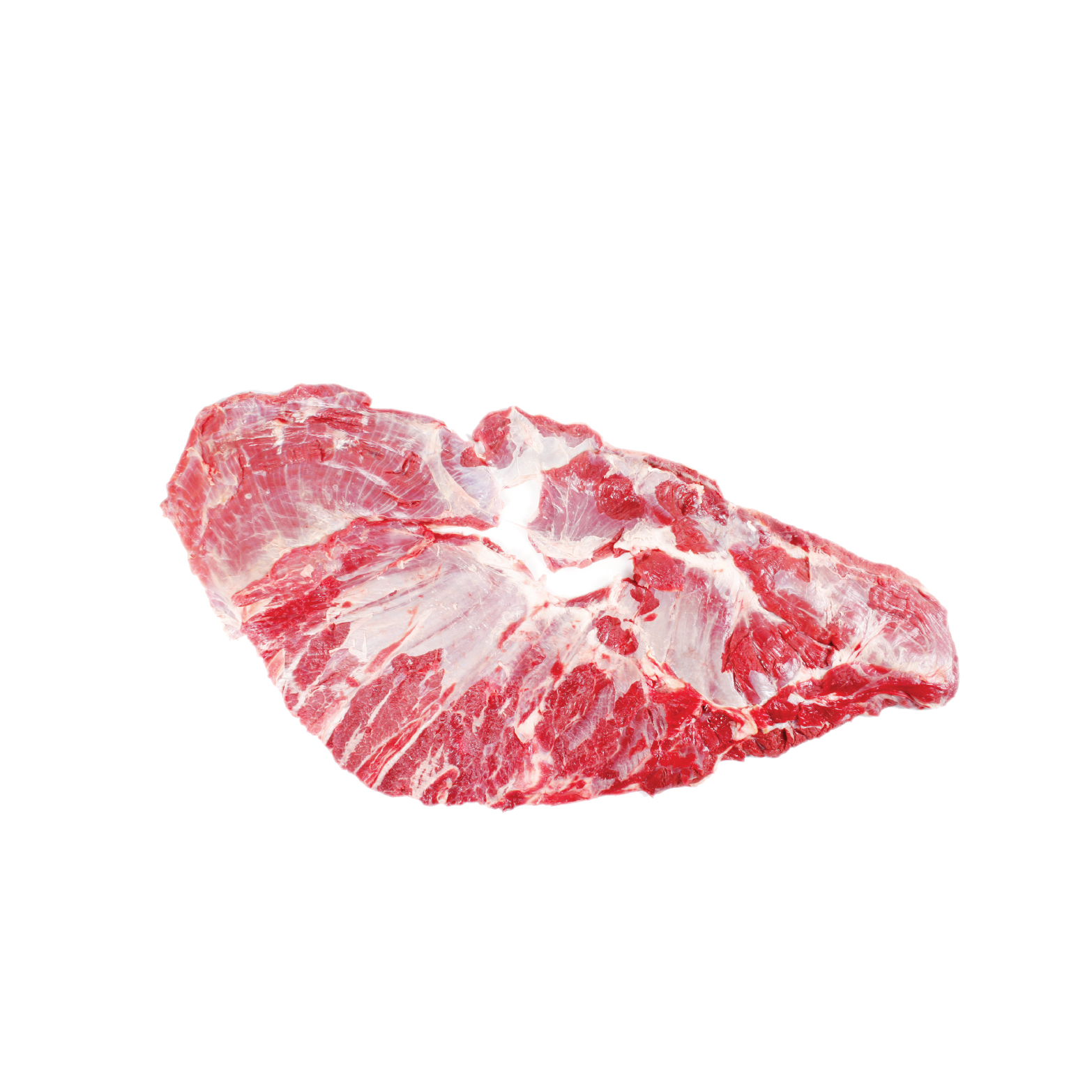
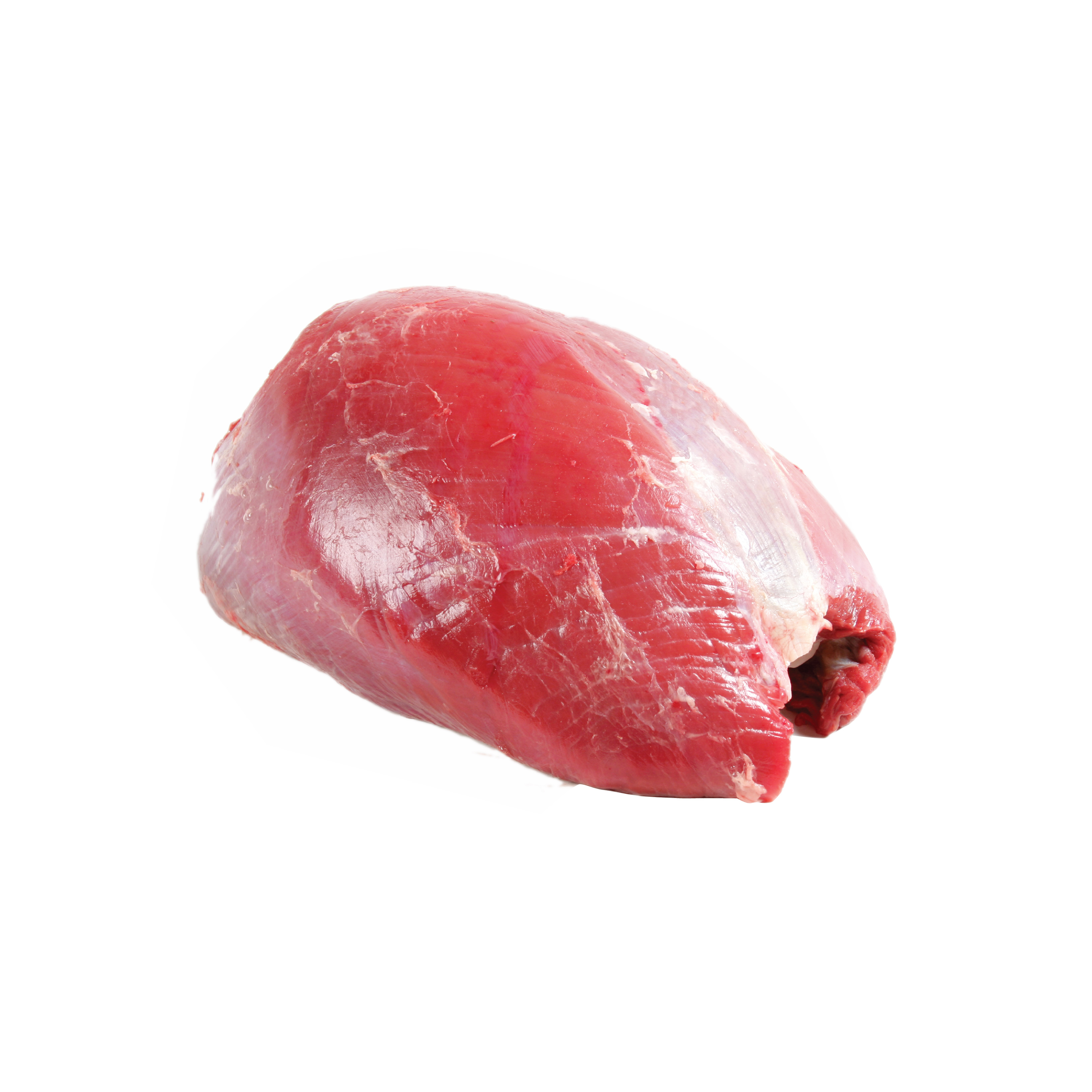
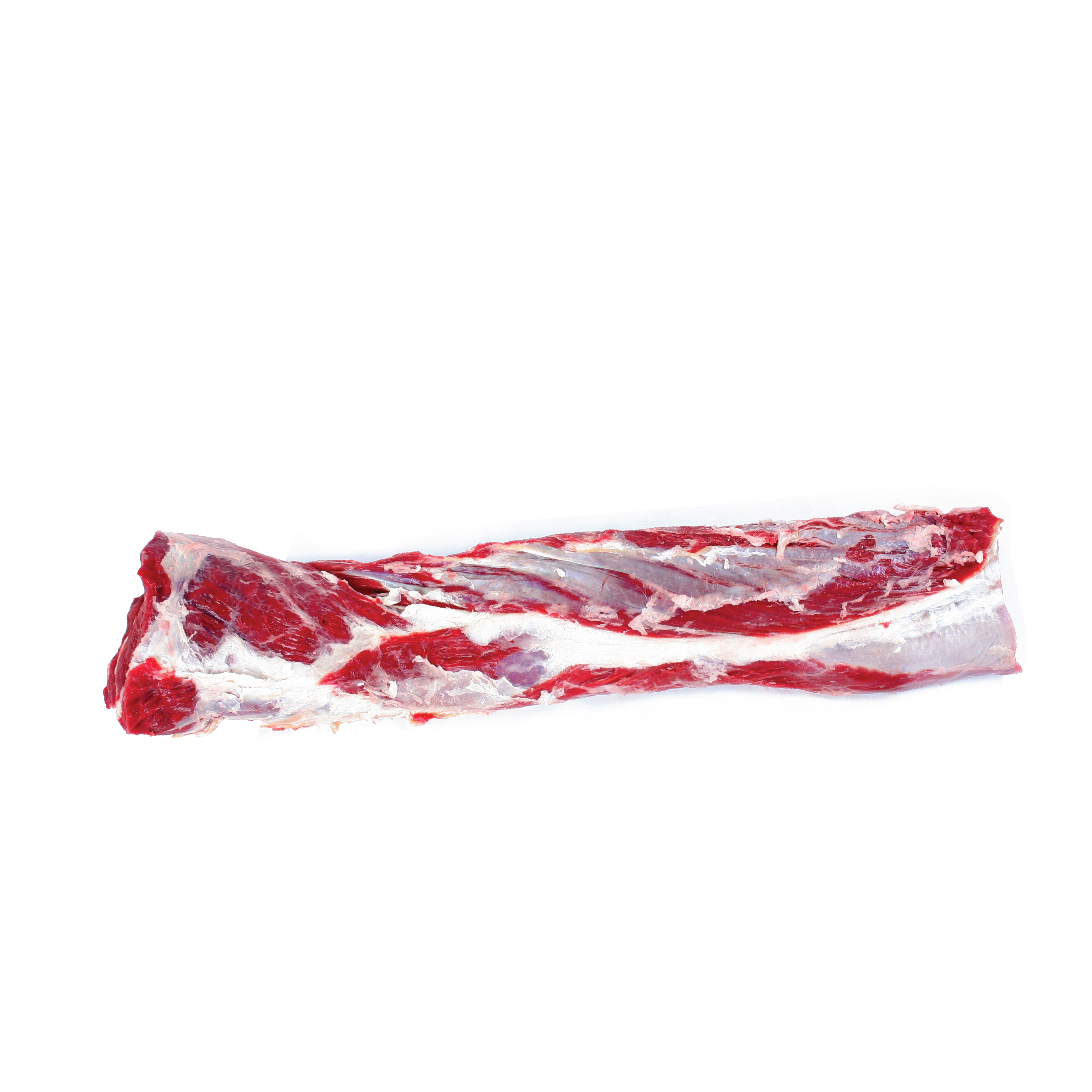
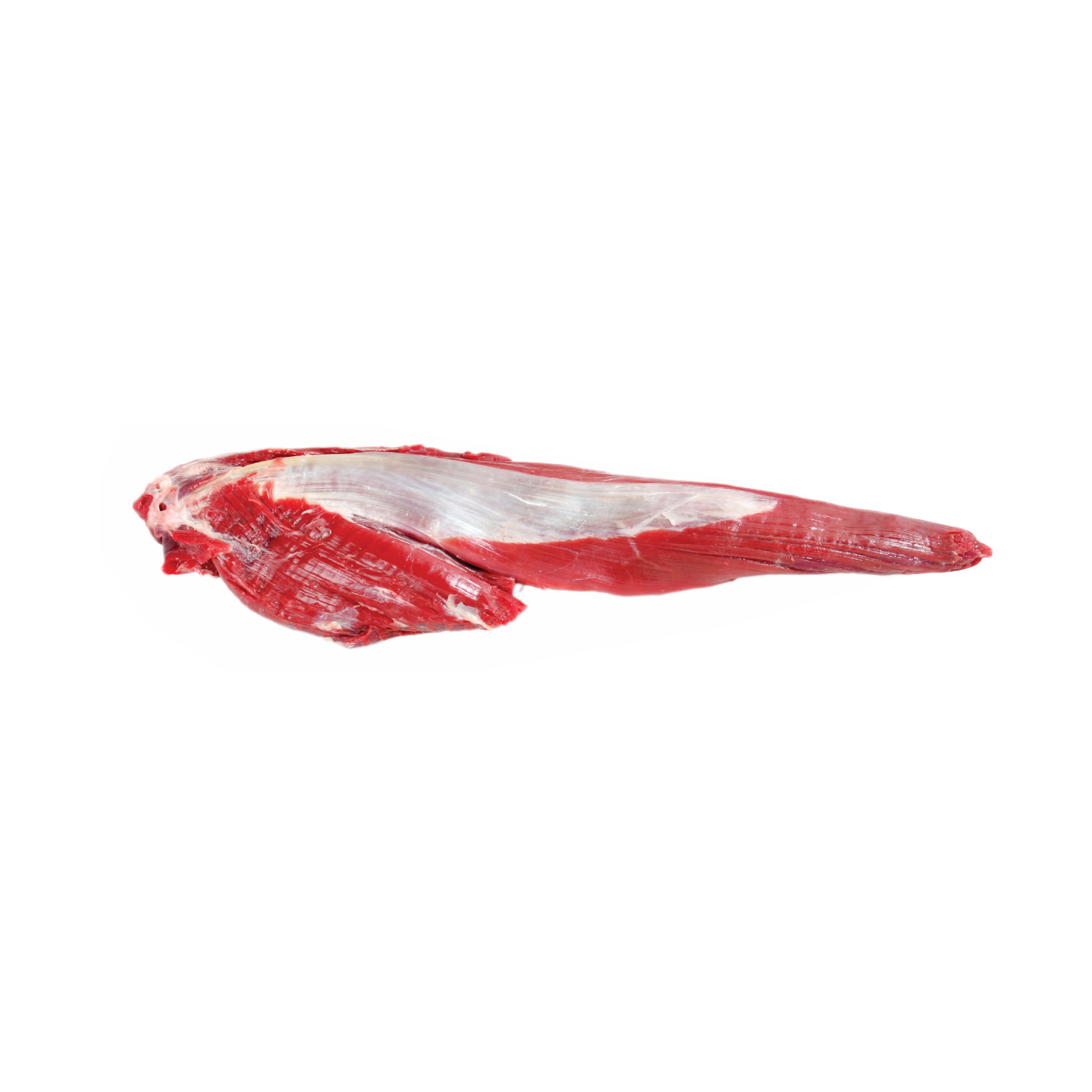
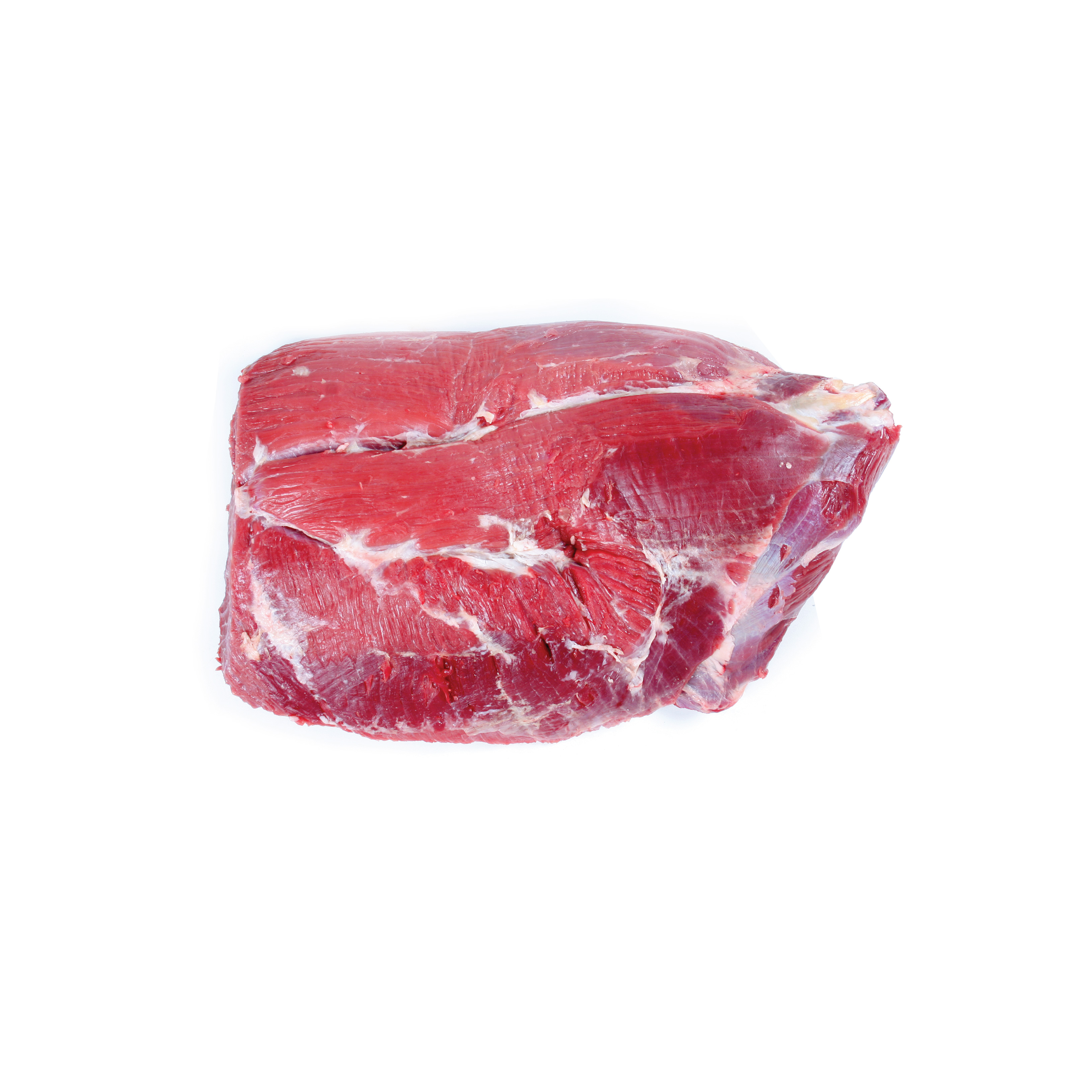
Similar to beef, different cuts of buffalo meat have different prices. Muscle, tenderloin, and rump are often more expensive because they are leaner and less sinewy, making them suitable for premium dishes. Cuts from the neck, shoulder, or ribs are generally lower priced.
Time of Purchase, Seasonality, and Market Demand
During holidays, Tet (Lunar New Year), or when consumption demand is high (e.g., in tourist areas, festivals), buffalo meat prices tend to rise sharply. Conversely, when supply is abundant, prices tend to decrease.
Transportation and Storage Costs
For imported buffalo meat, the selling price is heavily influenced by international shipping costs, cold storage fees, and logistics. For domestic meat, short-term preservation and transportation costs also contribute to the final price.
Food Safety and Quality Certification
Buffalo meat certified as safe, with clear origins, and fully inspected by veterinary authorities will be priced higher than unbranded, questionable meat. Consumers are willing to pay more to ensure health safety.
Reputable Addresses/Channels to Buy Buffalo Meat
To ensure you purchase fresh, quality buffalo meat with a clear origin, you can refer to the following buying channels:
Food Stores and Supermarkets
Food stores and supermarkets are convenient and safe choices for many families. Large supermarket chains often offer imported frozen buffalo meat from India or Australia, complete with labels, stamps, and food safety certifications.
Professional Suppliers
Professional suppliers are the best choice if you want to purchase fresh or frozen buffalo meat in large quantities for a restaurant, eatery, or are looking for specialty products like smoked buffalo meat. Reputable suppliers typically have import documents, quality certificates, and guaranteed origins.
You can search for these companies through industry forums or websites specializing in frozen food. These suppliers also often offer delivery services.
E-commerce Platforms
E-commerce platforms like Shopee, Lazada, Tiki, or websites specializing in regional specialties are where you can find many types of buffalo meat, especially smoked buffalo meat from reputable brands.
The advantages are variety, easy price comparison, and the ability to read reviews from other buyers. However, you need to choose sellers with high credibility, many sales, and good ratings to avoid buying substandard goods.
Conclusion
Buffalo meat is not only a nutritious food source, rich in protein, iron, and B vitamins, but also an ideal choice for creating delicious and healthy meals for the whole family. With the information on nutritional value, preparation, storage, and how to choose reputable buffalo meat that we have provided, we believe you can confidently prepare nutritious and flavorful dishes.
Start incorporating buffalo meat into your weekly menu to enjoy the unique flavor and health benefits this meat offers.